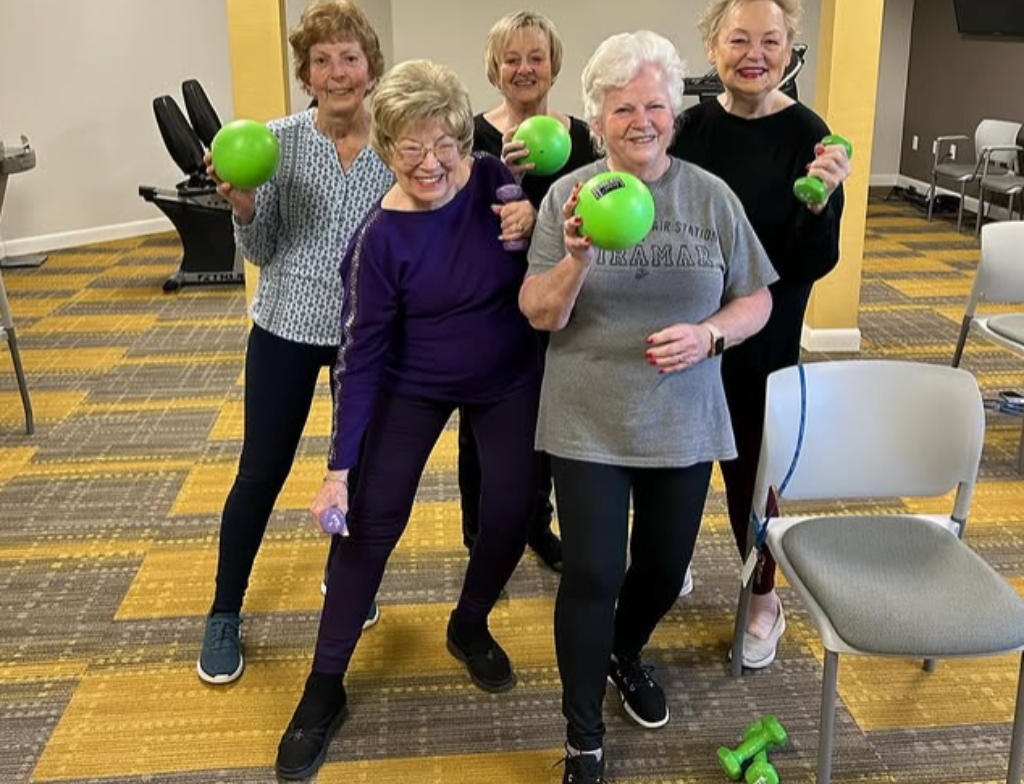

A new year is the perfect time for fresh starts, renewed routines, and simple goals that make a big difference. For older adults, one of the most impactful resolutions is also one of the most achievable: moving more—safely and consistently.
Staying active supports independence, reduces the risk of falls, and improves overall quality of life. And the good news? Movement later in life doesn’t have to be intense or complicated to be effective. Small, intentional steps—done regularly—can lead to meaningful improvements in strength, balance, flexibility, and confidence.
As we head into the new year, we’ve put together a practical guide to help seniors (and the communities that support them) make movement a sustainable part of everyday life..
Why Mobility and Flexibility Matter More as We Age
AAs our bodies change, so do our fitness needs. The focus shifts away from high-impact workouts and toward maintaining function, preventing injury, and supporting overall wellbeing.
Improving mobility and flexibility helps older adults:
summary here
- Enhances balance and reduces risk of falls through improved muscle strength and better control.
- Supports independence in daily activities like bathing, dressing, and walking.
- Reduces joint stiffness, arthritis discomfort, and chronic pain.
- Improves posture and coordination, helping with body awareness and comfort.
- Boosts circulation, energy, cognitive function, and overall mood while supporting cardiovascular health.
Remember, it’s never too late to start an exercise routine—even small steps over a consistent period of time can lead to powerful results.
Simple, Senior-Friendly Exercises to Start the Year Strong
Not sure where to begin? These approachable movement options can be done at home, in a group setting, or with guidance from a trained instructor. All can be modified to meet individual needs and abilities.
Gentle Stretching
Stretching increases flexibility and helps relieve sore muscles, body aches, tension, and other chronic conditions. It’s a type of regular exercise that every person should include in their daily lives, no matter their age.
- Try neck rolls, shoulder shrugs, or overhead arm stretches.
- Seated hamstring and calf stretches can loosen tight leg muscles.
Exercise tip: move slowly, hold each stretch for 10–30 seconds, and avoid bouncing.
For seniors, stretching is even more crucial, as it can give you the benefits of cardiovascular exercises (like improving heart rate and blood pressure) without the risk impact movement from activities like running.
Balance and Core Strengthening
Balance-improving activities help with coordination and reduce fall risk—key for bone health and disease prevention.
- Heel-to-toe walks along a wall or nearby trail.
- Standing leg lifts or side leg raises using a chair for support.
- Seated abdominal twists to engage core muscles and support body position.
Chair-Based Movement
Perfect for individuals with limited mobility, chair-based exercises still provide meaningful benefits.
- Chair yoga or seated stretching routines
- Seated marches or leg extensions
- Ideal for senior living communities and group classes
Light, Low-Impact Cardio
Cardiovascular movement supports heart health and overall endurance.
- Short indoor or outdoor walks
- Water-based exercise for joint comfort
- Tai chi for balance, coordination, and mental well-being
Even brief bouts of light cardio add up when done consistently

Tips for Moving Safely and Comfortably
Before starting or restarting an exercise routine, keep these best practices in mind:
- Start small: 5–10 minutes a day is a great beginning
- Use support: Chairs, resistance bands, or railings can improve safety
- Stay hydrated: Bring water to every activity
- Listen to your body: Check with healthcare providers when needed and pause if something doesn’t feel right
- Make it enjoyable: Group classes, music, or variety keep routines engaging
- Pair movement with nutrition: A balanced diet supports strength, energy, and recovery
Making Movement Part of Everyday Life
You don’t need a formal workout to stay active. Movement can be woven into daily routines:
- Stretch while watching TV or after waking up
- Take short walks around the house, hallway, or garden
- Turn light chores into gentle activity
- Move with others—family walks, simple games, or group classes
- Use a weekly activity plan to stay consistent and motivated
Move More, Live Better All Year Long
The new year isn’t about perfection, it’s about progress. For older adults, regular movement is one of the most effective ways to support physical health, mental well-being, and independence at any age.
If you’re looking for a supportive, structured way to get started, Live 2 B Healthy® partners with senior living communities nationwide to deliver fitness programs designed specifically for older adults. Our classes focus on balance, strength, flexibility, and social connection—led by certified trainers who understand the needs of aging adults.
Whether your goal is to build healthy habits, improve mobility, or simply feel better moving through your day, Live 2 B Healthy is here to help your community start the year strong and stay active all year long.
Contact us today to learn how your community can benefit from a Live 2 B Healthy fitness program.