• Skip to primary navigation
  • Skip to main content
  • Skip to footer
Live 2 B Healthy Senior Fitness

Live 2 B Healthy Senior Fitness

  • About Us
  • Our Fitness Programs
  • Healthy Aging Benefits
  • Franchise Opportunities
  • Locations
  • Contact
  • Careers
  • Press
  • Blog
  • Privacy Policy
  • Terms of Use
  • Cookies

Fall Prevention

Fall Prevention in Senior Living: Why Live 2 B Healthy Is the Gold Standard

September 23, 2025 by Cory Czepa

Falls are often dismissed as a “normal part of aging,” but the reality is much more serious. For older adults, a single fall can change everything—mobility, independence, confidence, and even life expectancy. According to the Centers for Disease Control and Prevention (CDC), an older adult falls every single second in the United States. That adds up to more than 36 million falls every year, resulting in over 32,000 deaths annually.

The financial burden is equally staggering: falls cost the healthcare system $50 billion each year, with the majority of expenses covered by Medicare and Medicaid. Behind these numbers are millions of older adults whose lives are disrupted—not just by broken bones, but also by the fear of falling again.

This is not just a health issue—it is an independence crisis.

The Hidden Crisis: Seniors Fear Losing Independence More Than Death

For most older adults, independence is everything. The ability to choose where to live, how to spend time, and whether to drive or walk to the store is tied to self-worth and quality of life. 

In a sample survey of older adults: 

  • 89% said independence was their top priority. 
  • 53% feared health issues, 26% memory loss, and 23% mobility limitations. 
  • Shockingly, almost none identified falls as their biggest risk—despite the fact that falls are the #1 cause of injury-related death among seniors. 

This disconnect is dangerous. If seniors do not recognize falls as a major threat, they are less likely to take proactive steps to prevent them. That’s why education, awareness, and prevention programs are so essential in senior living communities. 

And this is exactly where Live 2 B Healthy has become the leader in senior fall prevention. 

Why Live 2 B Healthy Is the Leader in Senior Fall Prevention

Unlike generic fitness or wellness initiatives, Live 2 B Healthy provides a comprehensive, research-backed, and results-driven approach. Our programs go beyond “exercise classes”—they are built to directly reduce fall risk factors while improving strength, flexibility, and confidence.

Our Fall Prevention Action Plan is designed specifically for older adults living in senior communities. With consistent participation, residents build the skills and resilience they need to stay active and independent.

The Live 2 B Healthy Action Plan Includes:

  • On-Site Fitness Training delivered right in senior living communities.
  • Individually Tailored Classes taught by Nationally Certified Instructors who understand older adult health needs.
  • Multiple Weekly Sessions that create routine, consistency, and momentum.
  • Exercises for All Mobility Levels, offering both seated and standing variations.
  • Fun, Socially Engaging Classes that reduce isolation and keep residents motivated.
  • Biannual Fitness Assessments to track progress with measurable outcomes, including:
    • -Balance: +200% improvement
    • -Upper Body Strength: +45% improvement
    • -Lower Body Strength: +88% improvement
    • -Flexibility: +0.6 inches improvement

These numbers aren’t abstract statistics—they represent real people regaining confidence, walking without fear, and staying independent longer

Proven Fall Reduction Compared to National Averages

National averages show that 1 in 4 seniors falls each year. But in communities that partner with Live 2 B Healthy, the story is very different.

  • Communities report a 47% average reduction in falls after adopting our program.
  • In memory care settings, the reduction is even higher—59% fewer falls within the first year.

This means fewer emergency room visits, fewer hospitalizations, and most importantly, residents who feel safer and more capable in their daily lives.

Real-Life Impact: Authentic Resident Insight 

One of the most compelling voices comes directly from a program participant who noted:

“I can really see the benefits, my balance is getting better.” – Gary, class participant

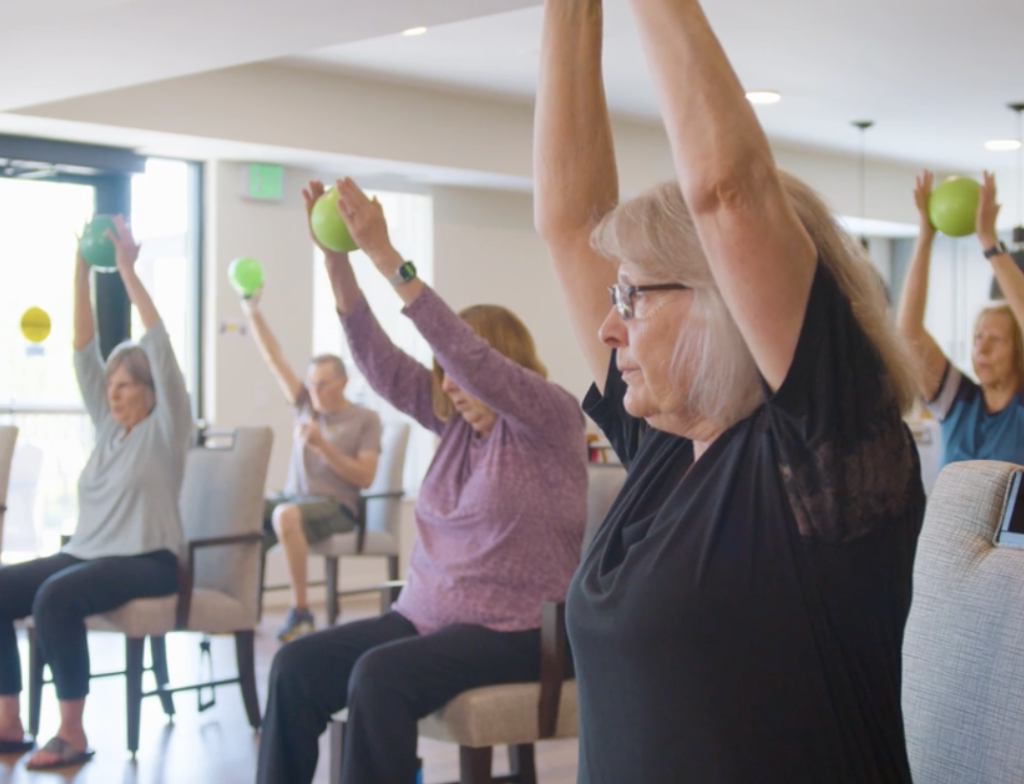
Older adults participating in a Live 2 B Healthy fall prevention fitness class
Participant testimonial Gary says “I can really see the benefits, my balance is getting better now”

This statement, captured in a Live 2 B Healthy participant testimonial illustrates the very real, everyday improvements that our classes make possible. It’s not just about statistics—it’s about seniors feeling steadier, safer, and more confident in their daily lives. 

The Business Case: Why Communities Choose Live 2 B Healthy

The benefits extend beyond residents. For senior living communities, offering a proven fall prevention program makes strong business sense.

Here’s what sets us apart:

  • Increased Occupancy: Families want reassurance that their loved ones will be safe and cared for. Communities with measurable fitness programs attract more residents.
  • Stronger Marketing: Fitness assessments and success stories provide powerful evidence for community tours and promotional materials.
  • Improved Reputation: A community known for prioritizing wellness builds trust with healthcare providers, referral partners, and families.
  • Reduced Costs: Fewer falls mean fewer hospital transfers, which directly benefits communities and healthcare systems alike.

By reducing falls and enhancing wellness, Live 2 B Healthy helps communities stand out in a competitive market while improving quality of life for residents.
Take Action: Make Fall Prevention a Priority

Falls don’t have to be inevitable. With the right education, fitness, and community support, seniors can continue to live independently, safely, and with confidence.

Live 2 B Healthy empowers senior living communities to take a proactive, measurable, and compassionate approach to fall prevention. By integrating engaging fitness classes with proven assessments, we transform lives—one class, one resident, one community at a time.

Ready to reduce falls, improve independence, and elevate your community’s wellness reputation? Contact Live 2 B Healthy today and discover why we are the gold standard in senior fall prevention. 

BONUS CONTENT!

Additional resources to help keep our elderly safe and steady:

  • Assess mobility with the CDC Timed Up & Go (TUG) Assessment Form and Short Video
  • The economic affect of falls on Senior Living Communities infographic
  • National Council on Aging Falls Prevention Resource Center
Step Into Strength: Fall Prevention Starts with Movement

August 1, 2025 by Cory Czepa

Aging isn’t about slowing down—it’s about moving smarter. At Live 2 B Healthy®, we believe it’s never too late to build strength, restore balance, and improve confidence. Whether you’re an older adult seeking more independence or a caregiver supporting someone you love, Fall Prevention Awareness Week (September 22–26, 2025) is your moment to take the first step toward a healthier future.

The Reality of Falls—and the Power to Prevent Them

Each year, over 3 million older Americans visit emergency rooms due to falls. According to the National Council on Aging, 1 in 4 adults aged 65+ experience a fall annually—but most falls are preventable. What’s the secret? Movement.

Falls often stem from slow muscle loss, poor balance, and limited mobility—issues that grow with age but shrink with action. Our evidence-based programs are designed to rebuild strength from the ground up.

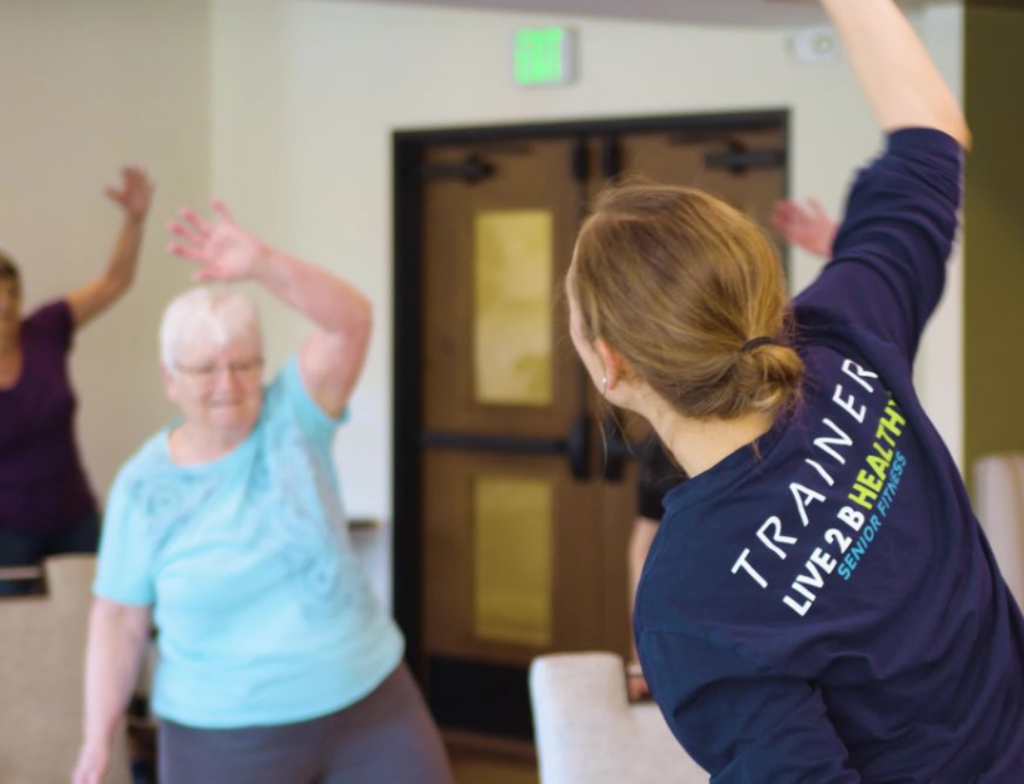
L2BH Trainer leading Group Senior Fitness Class

Why Fitness Is Your Best Defense

You don’t need to be an athlete to benefit from physical activity. The CDC confirms that simple, regular movement can reduce fall risk by 30–35%. That means group exercise can reduce hospital visits and improve quality of life—for both seniors and their families.

At Live 2 B Healthy®, our senior fitness classes focus on movements that matter:

  • Building core and leg strength
  • Improving joint stability and coordination
  • Enhancing posture and walking confidence
  • Boosting mood, mental sharpness, and energy
  • Social Interaction and Mental Well-being Senior group exercise classes provide an excellent opportunity for social interaction. Engaging with peers in a supportive environment can enhance mental well-being, reduce feelings of loneliness, and promote a sense of community.

And yes—regular movement improves brain function, helping reduce the risk of cognitive decline.

For Those Who Care for Aging Loved Ones

If you’re a spouse, adult child, or caregiver, fall prevention might already be on your mind. A slip in the kitchen, a stumble in the hallway—it doesn’t take much. By encouraging your loved one to join a senior fitness class, you’re helping them take control of their health in a safe, social, and empowering way. 

Exercise Offers More Than Physical Benefits

  • Mental wellness: Reduces anxiety and depression, improves brain health
  • Social connection: Builds community, routine, and purpose
  • Autonomy: Strength and balance lead to greater independence

With certified senior fitness instructors guiding each class, every movement is monitored, modified, and customized to keep participants safe.

What Makes Live 2 B Healthy® Different?

Our passion is prevention. We partner directly with senior living communities to bring fitness right to those who need it—right where they are.

You’ll find:

  • Fall prevention built into every session
  • Progress tracking and reporting for communities
  • Wellness programs aligned with assisted living care goals
  • Classes designed for older adults, not one-size-fits-all routines
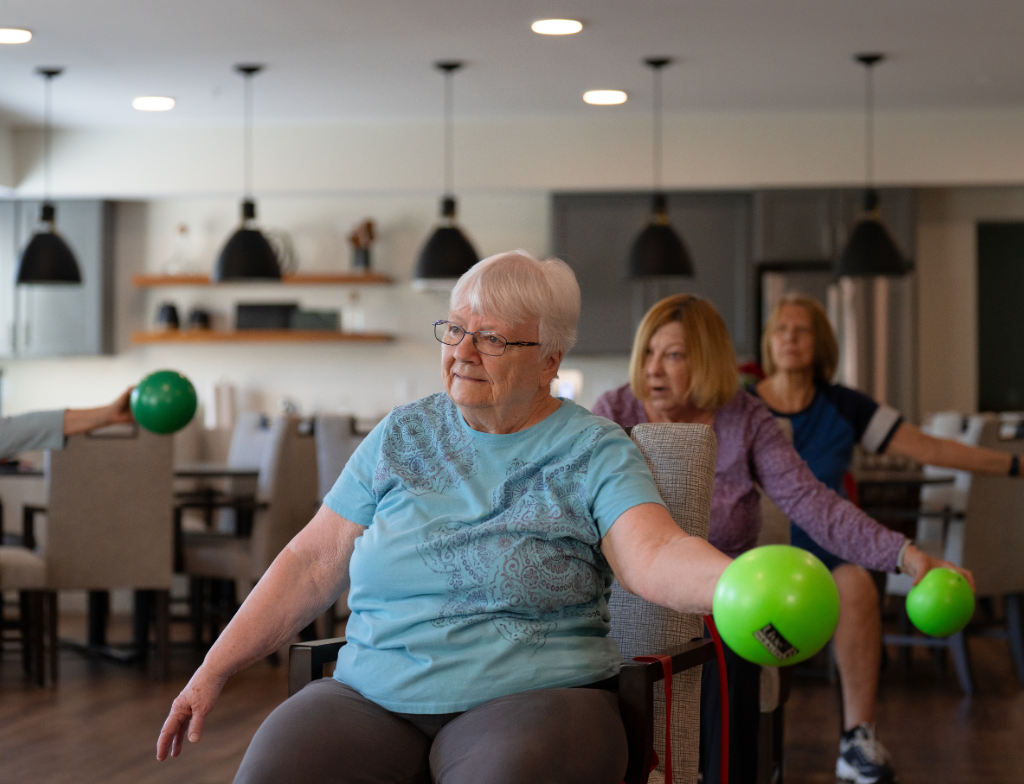
Group Senior Fitness Class in Sitting Position using Equipment.

Motivated to Begin your Fall Prevention Journey? Here’s How:

  • Start Small – A short walk, gentle stretches, or seated movements are great beginnings.
  • Find a Supportive Program – Search for “senior fitness classes near me” or integrate your local community facility with Live 2 B Healthy® classes.
  • Use the Right Tools – Visit NCOA’s Falls Free® CheckUp for tips and checklists plus review their Six Tips to Help Prevent Falls infographic.
  • Involve a group and make it social—it boosts motivation and connection.
  • Celebrate Every Step – Every stretch, squat, or step is a win.

Final Thought

Aging gracefully isn’t about avoiding change—it’s about adapting and thriving. With safe, supportive, and empowering fitness options, fall prevention becomes a choice. And at Live 2 B Healthy®, we make that choice simple, joyful, and impactful.

 Step into strength. Your journey starts now.

How an Effective Senior Community Fall Prevention Program can Boost your Bottom Line

August 30, 2024 by Cory Czepa

Falls are the leading cause of injury and death among seniors, often resulting in costly hospitalizations, increased insurance premiums, and a negative reputation for communities that fail to prioritize resident safety. As our population ages, the importance of health and safety in senior living environments becomes increasingly critical.

If you have never considered how the safety of your residents could influence the financial health of your senior community, the time to do so is now. 

That’s because in a competitive market, the stakes are high: ensuring that your community is known for its commitment to well-being can set you apart from others.

Implementing a comprehensive senior community fall prevention program not only promotes the health and quality of life for residents but also fosters a more sustainable financial future for senior communities.

From reducing healthcare costs to enhancing occupancy rates, the benefits extend well beyond basic safety measures. In this article, we will explore how a strong fall prevention strategy can contribute positively to your community’s financial success, making it a wise investment in both wellness and revenue.

Smiling nurse assisting senior man to get up from bed

Why Preventing Falls is Important

As we age, the risk for falls rises, and maintaining our balance and stability becomes increasingly important. Falls are a leading cause of injury among seniors, often leading to a loss of independence and serious health issues.

Falls are a significant health hazard for older adults, often leading to a cascade of physical and emotional challenges. Among the most common consequences for seniors from falls are: 

      • Bone Fractures: Seniors are particularly susceptible to breaking bones in older adult falls due to decreased bone density. Commonly affected areas include the hips, wrists, and ankles, which can lead to severe pain and disability, often requiring surgeries or extensive physical therapy. Fall prevention exercises focus on improving muscle and bone health to prevent the worst effects of falls.

      • Head Injuries: Falls can cause serious head injuries, such as concussions or even more severe traumatic brain injuries. These injuries can impair cognitive functions, affecting memory, reasoning, and even personality, and can have lasting impacts on a senior’s health and lifestyle.

      • Fear of Falling Again: Once a senior has experienced a fall, there is often a lingering anxiety about falling again. This fear can lead to reduced activity levels and more social isolation, as they may avoid walking or engaging in physical activities that they perceive as risky. This reduction in activity can, paradoxically, increase the risk of falling by leading to weaker muscles and less balance.

      • Risk to Independent Lives: Injuries from falls can make it difficult for seniors to perform daily activities and tasks independently. This loss of self-sufficiency can affect their quality of life. It may necessitate the need for home modifications, in-home care, or even a transition to an assisted living or nursing home environment.

    These consequences highlight the importance of fall prevention strategies and interventions from healthcare professionals to help maintain the health and independence of seniors.

    The good news? Falls can be prevented, and that’s where fall prevention programs come into play.

    What is a Fall Prevention Program?

    A fall prevention program is a comprehensive approach designed to help seniors reduce their risk of falling. These programs focus on improving physical fitness, making homes safer, managing health conditions, and educating seniors on fall risks and prevention strategies. It is a public health issue and should be given priority as such.

    You’ll hear a lot of the term “evidence-based fall prevention programs”, which just refers to those that are based on studies and guidelines from medical and health institutions that study fall prevention programs. 

    The Centers for Disease Control and Prevention (CDC), for example, has a checklist for home fall prevention and encourages the checklist to be included in all fall prevention programs.

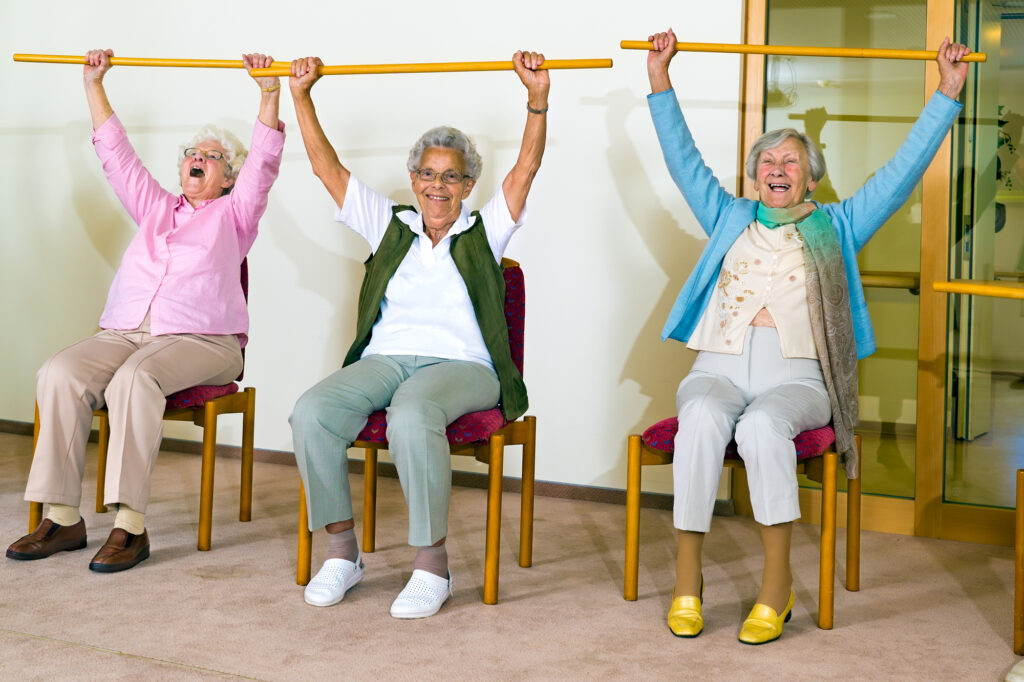
    Elderly ladies doing exercises 

    Key Components of Falls Prevention

    While evidence-based fall prevention programs will vary between senior health care providers or senior centers, most will have several or all of the following key components, from simple exercises to protocols, health education, habits to be taught, and even upgrades and prevention interventions at your home, assisted living facility, or community living center. All are focused on reducing the risk of falls as much as possible.

      1. Exercise and Physical Activity: Staying active is one of the best ways to prevent falls. These programs typically include:

      • Balance Training: Exercises that enhance stability, such as Tai Chi or balance-specific drills.
      • Strength Training: Activities to build muscle strength, especially in the legs, like squats or resistance band exercises.
      • Flexibility and Mobility Exercises: Stretching to improve flexibility and joint movement.
      • Endurance Activities: Regular cardiovascular exercises like walking or swimming to boost overall fitness.

      2. Home Safety Modifications: Making your daily living space safer is crucial in reducing the risk of falls. This can involve:

      • Removing Potential Fall Hazards: Eliminating risk factors like tripping dangers like loose rugs and clutter.
      • Improving Lighting: Ensuring areas like stairways are well-lit. 
      • Installing Safety Devices: Adding grab bars in bathrooms, non-slip mats, and sturdy handrails on stairs.
      •  

      3. Health Management: Your health plays a significant role in fall prevention:

      • Medication Review: Check with your doctor to ensure your medications aren’t causing dizziness or balance issues.
      • Vision and Hearing Checks: Regular exams to ensure your vision and hearing are sharp.
      • Footwear: Choosing supportive, non-slip shoes to enhance stability.
      •  

      4. Education and Awareness: Understanding the risks and learning how to prevent falls are key:

      • Fall Risk Education: Learning safe ways to move around your home and strategies for walking safely.
      • Emergency Preparedness: Knowing how to get up after a fall and having a plan in case of an emergency, such as keeping a phone nearby.
      •  

      5. Community Support: Staying connected with others can also help:

      • Social Engagement: Participating in community programs or group exercises to stay active and socially connected.
      • Regular Health Screenings: Attending health check-ups that can catch fall risks early.

      Some examples of fall prevention programs are those from Living 2 B Healthy and other gentle exercise programs that include strength and balance exercises like Yoga and Tai Chi. 

      Take the Next Step

      Falls prevention programs are a proactive way to maintain your independence and health. Whether through group classes that focus solely on your physical health or more comprehensive evidence-based programs that include home modifications or regular check-ups, there are many steps you can take to reduce your risk. By staying informed and active, you can continue to enjoy life with confidence and peace of mind.

      Benefits of a Senior Community Falls Prevention Program

      Falls prevention programs offer significant benefits to senior living centers and health centers, impacting both the residents’ well-being and the facility’s overall operations. Here are some of the key advantages:

      1. Enhanced Resident Safety

        • Reduced Incidence of Falls: The primary benefit is a tangible reduction in the number of falls among residents, leading to fewer injuries, hospitalizations, and associated complications. Several studies and systematic reviews of research have shown a marked improvement in seniors’ health at home and in their living facilities after the programs were implemented. 

        • Improved Health Outcomes: By minimizing falls, residents and senior clients experience better overall health, less pain, and a reduced risk of secondary health concerns, fall-related injuries, and issues like fractures, head injuries, emergency department visits, and long-term disability.

      2. Improved Quality of Life for Seniors

        • Increased Confidence and Independence: With the support of falls prevention programs, residents often feel more confident in their ability to move around safely, which can enhance their sense of independence and quality of life.

        • Better Mental Health: Engaging in physical activity and social interactions through these programs can reduce anxiety, depression, and feelings of isolation among seniors.

      3. Positive Reputation and Competitive Advantage

        • Attractiveness to Prospective Residents: Facilities that implement comprehensive falls prevention interventions and programs are seen as safer and more proactive, making them more attractive to potential residents and their families.

        • Enhanced Reputation: A commitment to resident safety and well-being strengthens the center’s reputation within the community, potentially leading to higher occupancy rates and positive word-of-mouth referrals.

      4. Cost Savings and Operational Efficiency

        • Reduced Healthcare Costs: By preventing falls, senior living centers can significantly lower healthcare costs related to emergency care, hospitalization, and rehabilitation.

        • Decreased Staff Burden: Fewer fall-related incidents mean that staff can focus more on proactive care and less on emergency response, improving overall operational efficiency.

      5. Regulatory Compliance and Risk Management

        • Meeting Safety Standards: Implementing falls prevention programs helps senior living centers comply with safety regulations and guidelines from health departments, reducing the risk of fines or penalties.

        • Lower Liability Risk: By proactively addressing a resident’s fall risk, centers can decrease the likelihood of lawsuits or liability claims related to resident injuries.

      6. Strengthened Community and Resident Engagement

        • Increased Social Interaction: Falls prevention programs often include group activities and exercises, fostering a sense of community among residents and encouraging socialization.

        • Family Peace of Mind: Knowing that their loved ones are in a facility that prioritizes safety and actively works to prevent falls gives families greater peace of mind.

      7. Long-Term Resident Retention

        • Extended Length of Stay: Residents who feel safe and are less likely to suffer from falls are more likely to stay longer in the facility, contributing to better resident retention rates.

      8. Staff Satisfaction and Training

        • Empowered Staff: These programs often include training for staff on how to prevent falls and handle fall-related incidents, leading to a more confident and capable workforce.

        • Lower Staff Turnover: When staff feel equipped to provide high-quality care and work in a safe environment, job satisfaction increases, potentially leading to lower turnover rates.

      Implementing falls prevention programs in senior living and health centers not only protects residents but also enhances the overall operation and reputation of the facility and senior healthcare providers. It’s a proactive investment in safety, health, and community well-being.

      At Living 2 B Healthy, Falls Prevention and More is a Top Priority

      Implementing a robust fall prevention program is not just a matter of enhancing safety protocols; it’s a strategic investment in the longevity and viability of any senior center or health facility.

      By significantly reducing the incidences of falls, centers not only safeguard their residents’ health but also improve their operational efficiency and financial health. Reduced medical costs, lower insurance premiums, and enhanced community trust translate into a healthier bottom line and a stronger reputation.

      For those interested in a senior center that embodies these principles, consider Living 2 B Healthy. At Living 2 B Healthy, we are dedicated to providing a safe, engaging, and vibrant environment where seniors can thrive without fear of falls.

      Our comprehensive senior community fall prevention program is a testament to our commitment to each resident’s health and our pursuit of excellence in senior care.

      So contact us to learn how an evidence-based fall prevention program will benefit both your seniors and the community center they work out in every day.

      Proud to be partnered with

      Footer

      • Facebook
      • Instagram
      • LinkedIn
      • YouTube
      Website
      • About Us
      • Blog
      • Careers
      • Press
      • Corporate Contact
      • Home
      Participants
      • Locations
      Franchise
      • Own a Franchise

      © Live2BHealthy © 2023–2026. All rights reserved

      • Privacy Policy
      • Terms of Use

      Get In Touch

      Use this form for all general inquires. We look forward to connecting with YOU!

      "*" indicates required fields

      This field is for validation purposes and should be left unchanged.
      Texting Consent*
      https://live2bhealthy.com/privacy-policy/
      Address*