
A fall changes everything. Not just physically, though a broken hip, a head injury, or a fractured wrist are serious enough on their own. A fall can shake a senior’s confidence so deeply that they stop doing things they love. That withdrawal from activity often starts a chain reaction that is far harder to reverse than the injury itself.
The good news is that most falls are preventable. The risk factors are well understood, the interventions are proven, and the path forward is clear. This September, during National Fall Prevention Awareness Month, we’re sharing everything you need to know.
The Scale of the Problem
Falls are the leading cause of injury for adults 65 and older in the United States. More than 1 in 4 older adults — approximately 14 million people — falls each year [1]. In 2024 alone, 43,020 individuals aged 65 and older died as a result of preventable falls, and in 2023, over 3.85 million were treated in emergency departments due to fall-related injuries [2]. Over the past decade, fall-related deaths among older adults have increased by 51% [2].
The financial toll is equally staggering. The cost of treating injuries caused by falls among older adults is projected to exceed $101 billion annually by 2030 [1].
But the burden on senior living communities goes even further. According to the 2026 Cost of Senior Care report (landmark research commissioned by SafelyYou and conducted across 175 senior living leaders) per-incident fall costs in assisted living now average $10,900, and $9,300 in memory care. That’s nearly double the figures reported just four years ago. When the combined toll of staff time, documentation, clinical follow-up, and resident transitions is factored in, falls can cost a single senior living community an average of $380,000 per year [11].
For senior living communities, every fall carries consequences beyond the individual resident: liability exposure, family trust, staff resources, and community reputation. Falls are not a wellness amenity issue. They are an operational and financial imperative.
But perhaps the most important thing to understand is this: falls are not a normal or inevitable part of aging. They are a health risk, and like most health risks, they respond to intervention.
Why Falls Happen and What to Do About It
Understanding why falls happen is the first step to preventing them. The National Institute on Aging identifies the following as the most common contributing factors [3]:
– Muscle weakness, particularly in the legs and core.
– Poor balance and coordination.
– Medications that cause dizziness, drowsiness, or low blood pressure.
– Vision changes that make it harder to judge distances or see obstacles.
– Hearing changes affecting spatial awareness.
– Home hazards (loose rugs, poor lighting, lack of grab bars).
– Getting up too quickly, causing blood pressure to drop (postural hypotension).
– Chronic conditions including diabetes, heart disease, and nerve problems.
The reason this list gives us hope: every single item on it is addressable. None of these are fixed or unavoidable. They can be assessed, managed, and in many cases dramatically reduced with the right habits and the right support.
What the Research Says About Exercise
Of all the fall prevention strategies available, research consistently elevates one above the rest: regular physical activity. The National Council on Aging and the Centers for Disease Control both name exercise-based programs as the most effective evidence-based fall prevention intervention [1, 4].
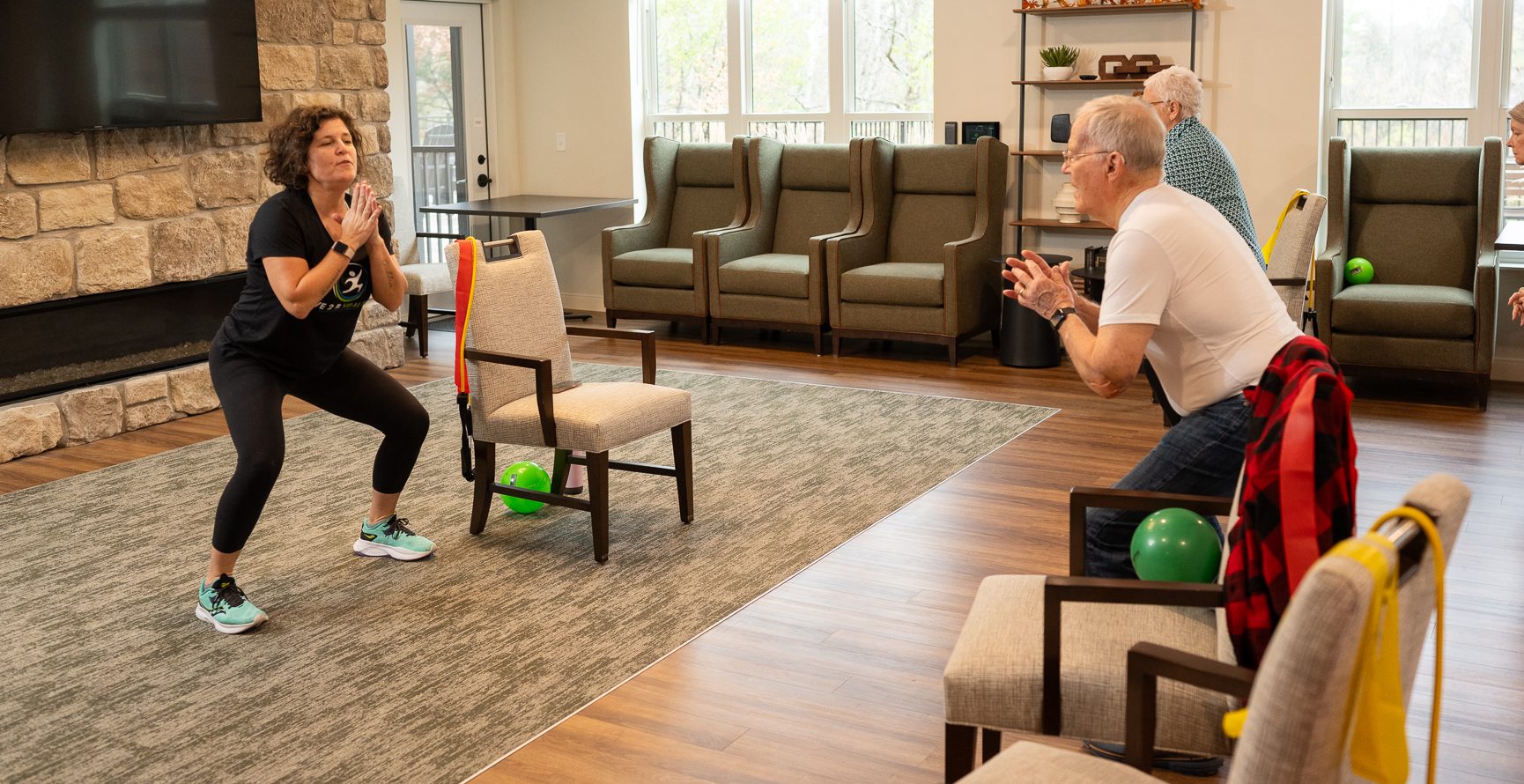
Strength training builds the muscle response time that catches you when you slip. Balance training develops the proprioceptive system that keeps you upright on uneven ground. Flexibility work keeps joints moving through a full range of motion so the body can correct and recover. And cardiovascular training ensures the heart and circulatory system can support the demands of daily movement.
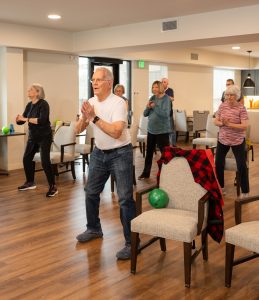
The National Institute on Aging puts it plainly: stay physically active, plan an exercise program right for you, and try balance and strength training exercises. Yoga, Pilates, and Tai Chi can all improve balance and muscle strength [3].
The NCOA also notes that evidence-based community falls prevention programs can significantly reduce falls and falls risk factors as well as reduce the costs associated with falls [6]. Over 275,000 older adults participated in NCOA-supported evidence-based falls prevention programs between 2014 and 2024 [7].
The Business Case for Senior Living Communities
For senior living operators, fall prevention is not a line item. It’s a bottom-line issue.
The 2026 SafelyYou research underscores what many operators already feel but struggle to quantify: the costs of falls compound in ways that aren’t always visible until they add up to a significant financial burden. At an average of $380,000 in annual fall-related costs per community [11], the return on investment for a proven prevention program is not difficult to calculate.
Beyond the direct costs, the SafelyYou report also found that 38% of assisted living leaders and 45% of memory care leaders report that care tasks frequently fall behind schedule — a signal of strained capacity that creates additional safety risk [11]. When teams are reactive rather than proactive, residents are at greater risk and communities absorb greater cost.
A specialized, on-site senior fitness program addresses this proactively. It builds the physical capacity residents need to stay steady, reduces fall frequency, decreases the clinical follow-up burden on staff, and signals to families that the community invests in resident safety. That trust influences move-in decisions, length of stay, and referrals.
What Live 2 B Healthy® Does Differently
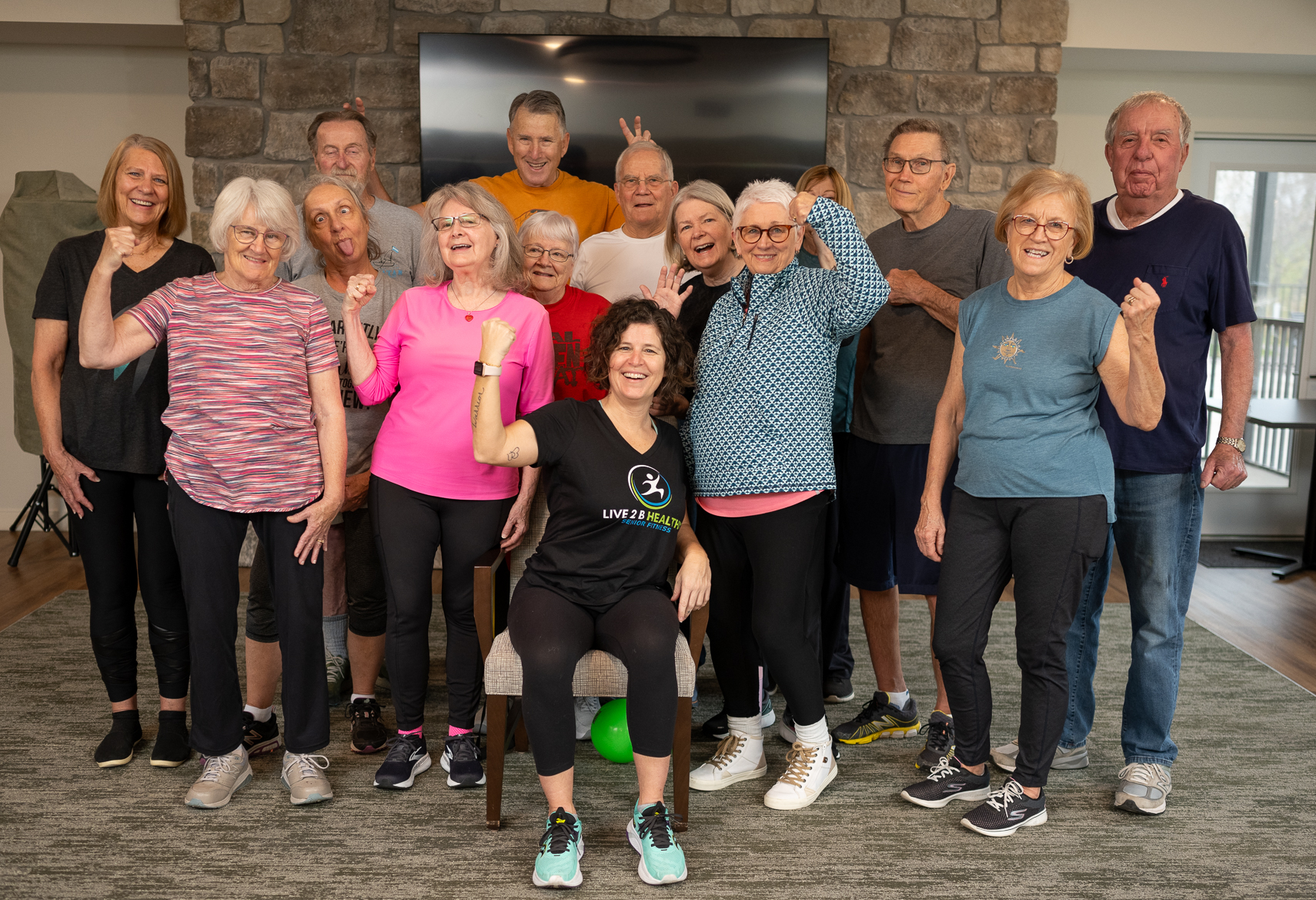
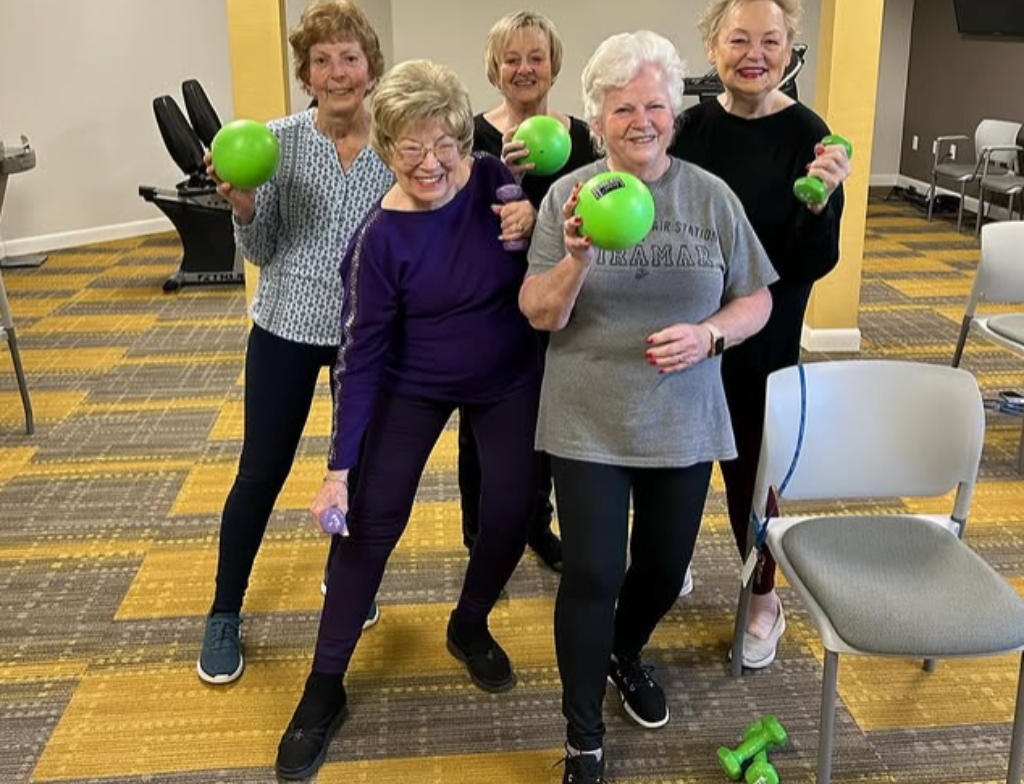
Live 2 B Healthy® was built around exactly the kind of programming the research recommends. Our certified fitness trainers deliver on-site group fitness, private training, and specialty classes — including strength & balance training, Tai Chi, chair yoga, and more — directly to senior living communities and individual members.
What makes Live 2 B Healthy® different is specificity. Our trainers are certified and know how to adapt every movement for every ability level. Fitness assessments track measurable changes in strength, balance, and flexibility over time. And our programs are designed for consistency — the kind of regular, ongoing activity that the research shows actually moves the needle on fall risk.
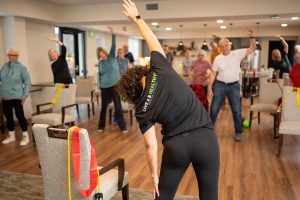
Communities that partner with Live 2 B Healthy® see meaningful, measurable reductions in fall rates. For more on our outcomes and approach, read our companion post: Fall Prevention in Senior Living — Why Live 2 B Healthy Is the Gold Standard.
Falls are preventable. The time to act is now.
If you’re a senior living community interested in bringing a Live 2 B Healthy® senior wellness program to your residents, or an individual looking for exercise programs for seniors in your area, we’d love to connect.
Contact us today to learn more about our programs and find a location near you.