• Skip to primary navigation
  • Skip to main content
  • Skip to footer
Live 2 B Healthy Senior Fitness

Live 2 B Healthy Senior Fitness

  • About Us
  • Our Fitness Programs
  • Healthy Aging Benefits
  • Franchise Opportunities
  • Locations
  • Contact
  • Careers
  • Press
  • Blog
  • Privacy Policy
  • Terms of Use
  • Cookies

Senior Workouts

Adaptive Fitness: Exercise Modifications for Seniors with Mobility Issues

September 23, 2024 by Cory Czepa

As our loved ones age, maintaining an active lifestyle becomes more critical than ever, yet mobility issues can make traditional exercise routines feel daunting or even impossible.

With an aging population increasingly seeking to improve their quality of life, adaptive fitness has become a growing focus. The right modifications can empower seniors to engage in physical activity safely, boosting not just their physical health but also their mental well-being. 

If you or someone you know is facing mobility challenges, it’s essential to know that there are effective ways to stay fit without pushing the body beyond its limits.

Today, let’s go over some exercise modifications tailored specifically for seniors with mobility issues, providing inspiration and guidance for a healthier, more active life.

Why Seniors Need a Modified Exercise Program

Aging catches up with all of us sooner than later, although sometimes it takes time for us to notice it. We also might take a long time to consider alternatives to how we typically move and train. 

No matter the age, the benefits of physical exercise are plentiful; from improvements in physical health and energy levels to improvements in mental and cognitive health to even preventing chronic diseases, heart attacks, falling, and high blood pressure, every form of exercise is valuable, especially as we get older. 

First, let’s see what exactly some of the effects of aging on our bodies are, how it impacts our physical health, and how we do regular exercises.
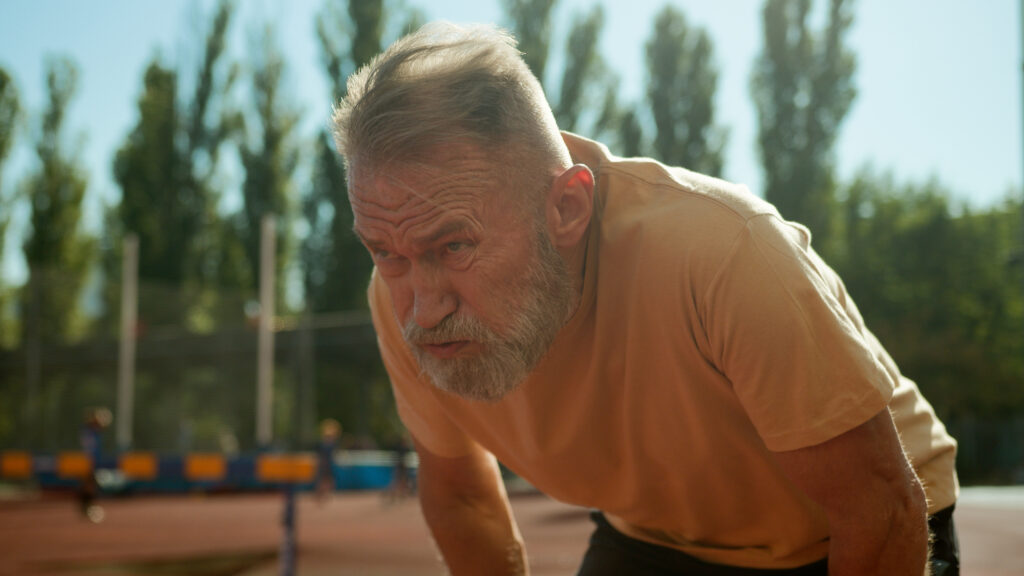
Senior breathing heavily after training physical activity

Decreased Muscle Mass and Strength

With age, people naturally lose muscle mass and strength, a condition known as sarcopenia. This makes it harder for seniors to perform exercises that were once easy, especially those requiring significant strength. Therefore, fitness professionals will focus on developing routines that can help seniors build and maintain muscle while reducing the risk of injury.

Reduced Bone Density

Aging leads to a loss of bone density, increasing the risk of fractures and conditions like osteoporosis. High-impact exercises or those that place excessive strain on the bones may not be safe. Modified, low-impact exercises help seniors strengthen bones without causing damage.

Joint Issues and Arthritis

Many older adults develop arthritis or experience general joint stiffness, making certain exercises painful or difficult. Go for activities that are gentler on the joints—such as swimming, cycling, or chair exercises—allow seniors to remain active without exacerbating joint pain.

Balance and Coordination Decline

As people age, they may experience a decline in balance and coordination, increasing the risk of falls during exercise. Modifications to balance exercises, like using support bars, chairs, or balancing aids, help seniors maintain stability and avoid injury.

Cardiovascular Changes

Older adults often have reduced cardiovascular capacity, meaning they may tire more quickly or struggle with high-intensity activities. Nonetheless, they are still required to keep their cardiovascular system active, so the solution would be to shorten the duration and intensity or incorporate rest intervals necessary to ensure cardiovascular exercises remain safe and effective.

Flexibility Loss

The aging process can cause muscles and connective tissues to lose elasticity, reducing flexibility and increasing the risk of strains. Stretching exercises, yoga, and other flexibility routines may need to be modified to accommodate the reduced range of motion while still promoting mobility.

Chronic Health Conditions

Many seniors live with chronic health conditions such as diabetes, hypertension, or cardiovascular disease, which may limit the types of exercise they can safely perform. Modified routines that cater to individual health conditions can help manage these ailments while keeping the senior active.

Slower Recovery Times

As the body ages, it takes longer to recover from physical exertion or injury. The intensity or frequency of workouts can be reduced, allowing for adequate recovery time while still encouraging regular physical activity.

Vision or Hearing Impairments

Sensory impairments like reduced vision or hearing loss can affect a senior’s ability to follow exercise routines or navigate certain environments safely. Modifications that focus on clear, easily understandable instructions and a safe exercise environment are crucial.

Cognitive Decline

Seniors may also experience cognitive decline, which can impact their ability to remember or understand routines. For this, the answer can be to simplify movements, provide clear instructions, and focus on repetition, which can help seniors stay engaged and safe.

Respiratory System Changes

Aging can lead to a decrease in lung capacity, making it harder for seniors to engage in high-intensity or endurance-based exercises. Aerobic exercises, modified breathing techniques, less strenuous cardiovascular activities, and paced workouts help accommodate respiratory limitations.
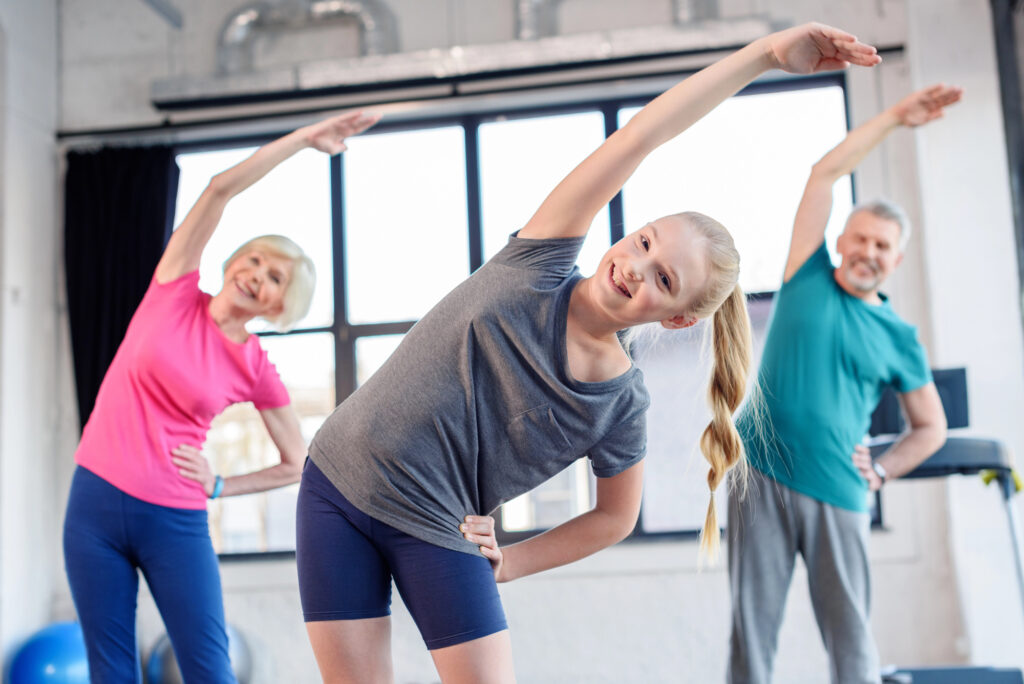
Seniors exercising with the youth

Top Basic Modified Exercise for Seniors and Tips

As we’ve established now, when we age and as the population as a whole age, the importance of tailored fitness programs becomes increasingly apparent, necessitating a discussion on the best practices for integrating resistance bands, chair exercises, and aquatic workouts into daily routines. 

These modifications not only help maintain muscle strength and cardiovascular health but also improve balance and reduce the risk of falls.

Here are some of the best exercises or general tips for seniors or their healthcare providers looking for new ways to help seniors under their care: 

Resistance Bands for Strength Training

Many seniors find resistance bands to be an invaluable tool for strength training, offering a safe and scalable option for maintaining muscle mass and enhancing overall fitness.

These bands provide gentle resistance or as much resistance as their own strength can manage, making them ideal for those with mobility issues. By incorporating resistance band strength exercises into their exercise plans, seniors can improve flexibility, balance, and strength without the high impact of traditional weights.

Exercises such as band pulls, chest presses, and leg stretches can be modified to suit individual capabilities, ensuring a comprehensive workout that respects the body’s limitations. We’ve actually covered resistance band exercises in a previous blog post.

This method not only aids physical health but also boosts confidence and independence, key components in the quality of life for seniors. More on this here.

Light Weights

Building on the concept of adding resistance to workouts, light weights present another excellent option for seniors seeking to enhance their exercise routine with muscle-strengthening activities. Incorporating light weights into moderate exercises can markedly improve muscular strength and overall health without overburdening the joints.

For seniors, maintaining or improving muscle tone is crucial not only for mobility but also for managing chronic conditions and enhancing metabolic health.

When integrating light weights into a fitness plan, it’s essential to prioritize proper form to prevent injuries. Starting with very low weights, such as one or two pounds, can help ensure that exercises are performed safely.

Gradually increasing the weight as strength improves can continue to provide health benefits while keeping the exercise regimen enjoyable and sustainable.

Chair Squats

Chair squats stand out as a fundamental modified exercise for seniors, offering a safe and effective way to strengthen the lower body and improve balance. A strong squat position is one of the healthiest for the human body, despite it being mostly avoided in many Western cultures.

To strengthen it, seniors can use a chair as a safety tool, allowing the individual to squat to a seated position and then stand up, minimizing the risk of falls and strain. 

It is crucial to ensure the chair is sturdy and placed against a wall for added stability. As seniors engage in this movement, they work various major muscle groups, including the thighs, hips, and buttocks, which are essential for daily activities and maintaining mobility. Make sure to keep your feet flat and sturdy, just like you would in a standing position, at least as much as possible. 

Regular practice of chair squats can enhance muscular endurance, prevent atrophy, and support overall body health. Chair exercises, in general, are a practical starting point for seniors looking to maintain healthy activity levels in their daily lives.

Wall Push-ups

Wall push-ups are an excellent modified exercise for seniors seeking to enhance upper body strength without the strain of traditional floor push-ups. This exercise targets key muscles, including the chest, shoulders, and triceps, promoting muscular endurance and flexibility.

To perform, your starting position is just standing up at arm’s length from a wall. Place your palms on the wall at shoulder height and width. Bend your elbows to bring your body towards the wall, then push back to the starting position.

Regular practice can significantly improve muscle tone and joint health, thus enhancing overall quality of life. By allocating time to this simple yet effective activity, seniors can maintain physical health and continue to enjoy an active, fulfilling lifestyle.

Core Exercises like Leg Lifts and Bicycle Lifts

From the upper body, let’s shift focus to the core, which any fitness professional will tell you is equally important for seniors to maintain balance and overall physical fitness.

Core exercises, like leg lifts and bicycle lifts, are pivotal for enhancing stability and reducing the risk of falls. Engaging in these activities helps improve abdominal and lower back strength, which are crucial for everyday movements.

A physical therapist can tailor these exercises to fit individual mobility levels, ensuring safety and maximizing benefits. For instance, leg lifts can be performed lying flat with slight knee bends to reduce strain. 

Similarly, modified bicycle lifts, executed slowly and with support, can provide the necessary stimulation without overwhelming the abdominal muscles. These adaptations make core strengthening both achievable and beneficial for seniors.

Modified Jumping Jacks

Often overlooked, modified jumping jacks are an excellent, low-impact workout that seniors can incorporate into their fitness routines to enhance cardiovascular health and improve flexibility.

A modified jumping jack minimizes the risk of joint stress while still promoting an active lifestyle and being an excellent coordination exercise.

To perform a modified jumping jack, seniors can start by standing with feet flat together and then step one foot out to the side while raising their arms overhead.

They then step back to the starting position and repeat on the other side. Incorporating this activity into an exercise program offers a balance of safety and efficacy, ensuring that seniors engage in beneficial activities without exposing themselves to unnecessary risks.

Such modifications make essential exercises accessible and enjoyable.

Water Aerobics or Aquatic Exercises

Water aerobics or aquatic exercises frequently rank among the most beneficial and enjoyable forms of physical activity for seniors.

These exercises uniquely minimize stress on joints, making them ideal for those with mobility issues. By buoyantly supporting the body in various positions, water aerobics reduces the risk of injury. It eases pain, which is particularly advantageous for individuals managing arthritis or other joint-related diseases.

Seniors can engage in sessions ranging from gentle movements to more vigorous activities, adjusted to suit their comfort and health levels. Over weeks, regular participation can significantly enhance cardiovascular health, increase muscular strength, and improve flexibility.

The fitness professionals in charge of these programs should ensure exercises are adaptable, prioritizing the safety and enjoyment of each participant.

Walking

Walking can be easily adapted to suit individual mobility levels, making it an ideal choice for seniors seeking to enhance their cardiovascular health, improve muscle tone, and boost mood.

To facilitate this, walking aids such as canes or walkers can be used for additional support.

Furthermore, engaging in short, frequent walks in a safe environment not only promotes physical health but also provides opportunities for social interaction, which is vital for mental well-being.

It is important that these walks are conducted in well-lit, even-terrain areas to prevent falls and ensure safety at all times.

Remember to Go Slow

Embracing a gradual approach to physical activity is crucial for seniors, particularly when beginning new workout routines. Implementing slow, deliberate movements not only enhances safety but also builds the participant’s confidence in their physical capabilities.

Start with light, low-impact exercises such as seated stretches or simple chair yoga poses that improve flexibility and blood circulation without straining the body. Gradually introduce more dynamic movements like slow marching in place or gentle leg lifts, always paying attention to the body’s response.

Encourage regular pauses and emphasize the importance of hydration and listening to one’s body to prevent overexertion. It’s vital for caregivers and fitness instructors to create a supportive environment that prioritizes well-being and gradual progress over rapid results.

The Exercises Seniors Should Avoid

While many exercises can be beneficial for seniors, certain activities should be approached with caution or avoided altogether to prevent injury.

  • High-impact exercises: Running, jumping, or any activity that involves rapid, forceful movements can be particularly harsh on aging joints, increasing the risk of fractures or other injuries.
  • Complex movements: Similarly, exercises that require complex coordination or balance, like certain dance moves or advanced yoga poses, should be modified or avoided to reduce the risk of falls.
  • No Weightlifting: At least, not with heavy weights and certain routines, like deadlifts, bench presses, and leg presses. Weightlifting should also be approached with care, as it may strain the heart and joints.
  • No Crunches: Avoid also abdominal crunches. Not only are they not as effective as people think when it comes to abdominal muscles, but they can actually hurt your back. Much preferable to strengthen the core through leg lifts, for example.

It is crucial to consult with healthcare providers to tailor a safe, effective exercise program that respects physical limitations and promotes overall well-being.

Live 2 B Healthy Offers the Best Adaptive Routines for Seniors

Adaptive fitness provides seniors with mobility issues a pathway to enhance physical health through carefully modified exercises. Utilizing tools such as resistance bands and engaging in activities like chair squats and water aerobics helps improve strength, flexibility, and cardiovascular health.

However, it is crucial that these exercises are implemented gradually and under professional guidance to ensure safety and effectiveness, which is where senior community centers like Live 2 B Healthy come along. Our programs, under the supervision of certified trainers and physical therapists, avoid the risk of injury while also providing numerous other benefits to the seniors we service, which include mental health care and other aspects of physical health.

Find the nearest Live 2 B Healthy senior community and start expanding your range of motion, strengthening your body, and improving your heart health.  
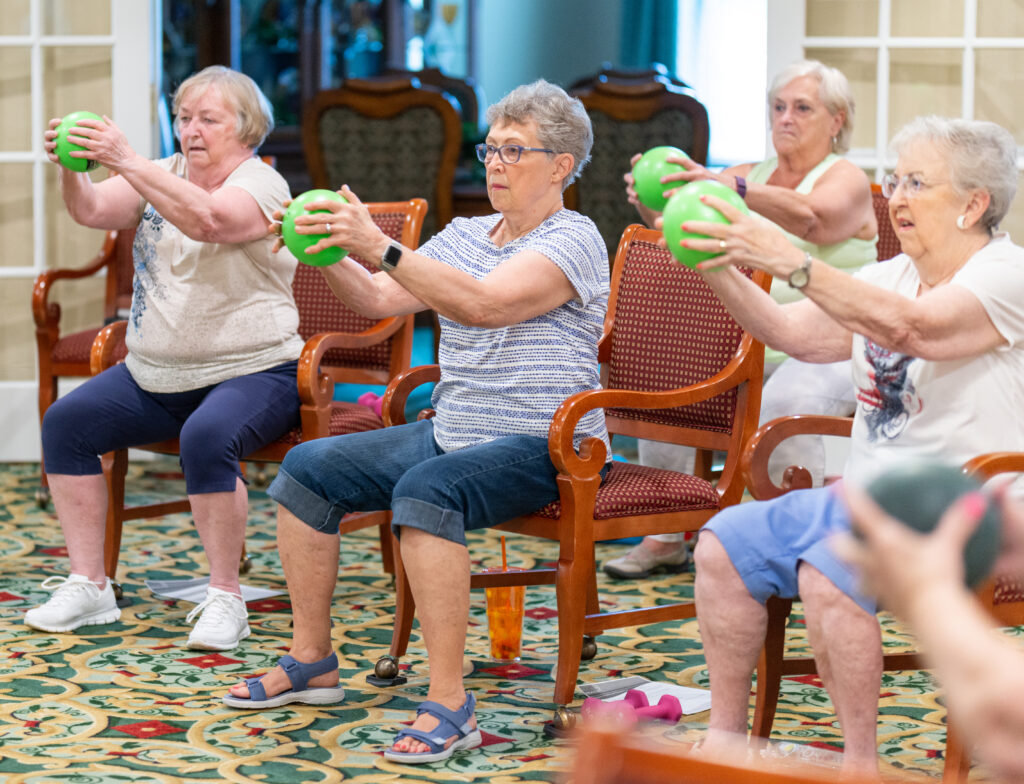
Improving Mental Health in Senior Communities with Regular Exercise

September 20, 2024 by Cory Czepa

As we age, the challenges of maintaining mental well-being can often be amplified. From loneliness and social isolation to cognitive decline, seniors face unique hurdles that can affect their overall quality of life. Yet, as studies increasingly reveal, one of the most effective tools for combating these issues may not be found in a doctor’s office but rather in a gym or community center.

Have you ever noticed how vibrant, lively conversations seem to flourish in communities where seniors are actively engaged?

Exercise has demonstrated remarkable benefits, not just for physical health but also for emotional and cognitive vitality.

For senior communities looking to improve mental health, establishing a routine that incorporates regular exercise could be a game changer. This approach not only fosters physical strength but also encourages social interactions, boosts mood, and enhances mental clarity. If you’re part of a community dedicated to supporting our older generations, let’s explore the transformative power of regular exercise and its mental health benefits in senior communities.

Why Improving Mental Health in Seniors is Crucial

As the global population ages, the mental health of seniors emerges as a critical aspect of community health care. Addressing this issue is pivotal not only for improving their quality of life but also for alleviating the burdens on healthcare systems and families.

Physical activity is recognized as a significant factor in enhancing mental health among all adults, not just the elderly, by promoting a sense of purpose and accomplishment through an active lifestyle. 

The Physical Activity Guidelines for Americans, the U.S. Department of Health and Human Resources notes how research proves that just 2 and a half hours a week of moderate-intensity aerobic exercise in adults can have a beneficial impact on both their physical and mental well-being. 

But it’s also essential because maintaining mental health in seniors directly impacts their physical health, their ability to remain independent, and their overall well-being.

As caregivers and community members, fostering environments that encourage physical activities can lead to profound, life changing benefits in the mental resilience and happiness of our aging population, thus enriching their later years.

The Psychological Benefits of Exercise for Seniors

Exercise stands as a cornerstone for enhancing mental health among seniors, offering significant psychological benefits, from reducing the risk of depression to lowering stress levels; its positive effects on the mental health of seniors are almost instantly noticeable after increasing the levels of activity per week, if even slightly.

Here are just some of the many benefits to the mental health of seniors that regular physical activity can bring: 

1. Reduced Risk of Depression and Anxiety

Regular physical activity significantly lowers the incidence of depression and anxiety among seniors, providing a substantial psychological benefit.

Engaging in regular exercise fosters a sense of well-being, promotes emotional resilience, and triggers the release of endorphins, often referred to as feel-good hormones. These biochemical changes are crucial in combating the feelings of loneliness and isolation that many seniors experience.

A study from the first year of the COVID-19 pandemic, for example, showed how many seniors were relieved of their symptoms of depression thanks to higher activity levels in their daily routines. Even moderate exercise was enough to result in improved mood.

Moreover, the structure of routine exercise programs can impart a sense of purpose and community, further enhancing mental health.

2. Improved Cognitive Function

Another one of the greatest mental benefits of exercise for older adults is improved cognitive function. Numerous studies have demonstrated that engaging in physical activity can markedly enhance cognitive function in seniors.

An effective exercise program, particularly one integrating strength exercises, serves not only to bolster physical health but also sharpens mental acuity. Through such structured activity, seniors can experience improvements in memory, attention, and problem-solving skills.

One systemic review from Australia found studies that showed how fitness activities lowered or slowed the occurrence of chronic diseases like dementia or cognitive decline in patients with Alzheimer’s disease, for example.

For caregivers and community leaders, incorporating structured and tailored exercise routines daily is a compassionate strategy to support the cognitive health of our elders, ensuring they maintain not only physical vigor but also mental acuity.

This approach underlines the profound impact of physical health on mental well-being.

3. Better Sleep

While physical activity is known to sharpen cognitive abilities in seniors, it also plays a significant role in enhancing sleep quality. Engaging in regular exercise sessions helps regulate the sleep-wake cycle, essentially training the body to recognize the appropriate times for rest.

Better sleep dramatically improves psychological well-being. With improved slumber, seniors often experience a reduction in stress and anxiety levels, contributing to overall mental health.

Furthermore, the time spent participating in these activities promotes relaxation and fatigue, which are critical for a good night’s sleep. Thus, integrating physical exercise into daily routines can be pivotal in ensuring that seniors not only live longer but also sleep better.

4. Enhanced Self-Esteem, Improved Body Image, and Confidence

It might be one of the better-known mental health effects of exercise, but it’s worth mentioning. As they incorporate more vigorous activities into their daily routines, seniors often experience enhanced self-esteem. The physical achievements, whether lifting a heavier weight or completing a new exercise, foster a profound sense of accomplishment.

This, in turn, positively impacts their body image and overall confidence. Such improvements compared to a sedentary lifestyle are crucial in counteracting age-related insecurities and promoting a more vibrant, engaged lifestyle.

5. Reduced Stress Levels

Building on the psychological uplift from enhanced self-esteem and body image, regular physical activity also plays a vital role in reducing stress levels among seniors.

When seniors engage in movement, especially aerobic exercise, it stimulates various brain chemicals that may leave them feeling happier and more relaxed. This type of exercise involves the rhythmic use of large muscles. It significantly contributes to stress relief by increasing the production of endorphins, the brain’s feel-good neurotransmitters, as mentioned before when talking about how exercise helps with anxiety and depression symptoms.

Additionally, the repetitive motions involved in activities such as walking, swimming, or yoga can have a meditative effect on the mind, helping to distract from daily worries and reducing tension in both the muscles and the mind, fostering a calming effect and enhancing overall well-being.

6. Increased Social Interaction

How often do we consider the social benefits of exercise for seniors? Regular physical activity, often guided by a skilled physical therapist, significantly enhances socializing opportunities for the elderly.

Participating in group exercises or walking clubs helps to forge new friendships and strengthen existing ones, creating a sense of community and belonging. These interactions are crucial as they can lead to a reduction in feelings of loneliness and isolation, which are common issues in senior communities.

Moreover, socializing while exercising can divert their minds from the symptoms of various diseases, offering not only physical relief but also emotional support.

Thus, exercise serves as a dual tool, enhancing both physical health and social well-being, fostering a healthier, more connected senior community.

7. Increased Energy and Motivation

Regular exercise is well-known for its ability to boost energy levels and motivation among seniors, contributing significantly to their psychological well-being. Engaging in physical activities like walking or gentle stretches helps maintain muscle strength and flexibility, which in turn enhances endurance and vitality.

These activities can also aid in weight management, reducing the risk of obesity-related health issues. Importantly, the psychological uplift from regular exercise is profound. Increased energy levels often lead seniors to participate more actively in both physical and social activities, further enriching their quality of life.

Moreover, the sense of achievement and autonomy gained through maintaining an exercise regimen fosters greater motivation to continue engaging in daily activities, sustaining their mental and physical health.

How Much Exercise is Needed to Improve Mental Health in Seniors?

Research suggests that moderate physical activity, tailored to individual abilities, can significantly improve psychological well-being.

For most seniors, engaging in at least 150 minutes (two and a half hours) of moderate aerobic activity per week, such as walking or swimming, is recommended. This can be broken down into manageable sessions, where even short 10-minute increments focusing on gentle movements that involve the foot and knee can be beneficial.

The National Heart Foundation of Australia also settles for about 30 minutes of exercise a day, although moderate. It can be just regular physical activity that is not too intense, just consistent regular activity that gives seniors the needed cardiovascular exercise to see its benefits.

Strength training twice a week is also advised to maintain muscle health and joint function. Consistency over weeks is crucial as it fosters not only physical endurance but also mental resilience, helping to combat depression and anxiety while boosting overall mood.

Other Benefits of Exercise Programs in Senior Communities

Exercise programs in senior communities offer more than just mental health benefits. 

Reduces Risk of Falls

Among the numerous advantages of structured exercise programs for seniors, one critical benefit is the reduced risk of falls. Regular physical activity strengthens muscles and improves balance, crucial in maintaining stable positions and movements. 

As seniors engage in tailored exercises, their ability to control and stabilize their body increases, significantly diminishing the likelihood of accidental slips or trips. In fact, many senior centers specifically tailor their fitness classes as fall prevention courses as well.

This preventive approach not only ensures their physical safety but also fosters a sense of independence and confidence among elderly individuals.

Prevents Heart Disease and Improves Overall Health

Engaging in exercise helps maintain and improve cardiovascular fitness, reducing the risk of hypertension, stroke, and myocardial infarction. Furthermore, physical activity helps regulate weight, strengthen muscles, and enhance mobility and flexibility, crucial aspects for maintaining independence among seniors.

Importantly, regular exercise also aids in better sleep patterns and stress reduction, contributing to an improved quality of life, heart health, and blood pressure

Gives Seniors Social Engagement

Physical activity in senior communities offers more than just health benefits; it serves as a vital platform for social engagement. Engaging in group exercises like yoga, tai chi, or walking clubs not only improves physical health but also fosters connections among residents.

These activities provide a sense of community and belonging, crucial elements for mental well-being. Seniors have the opportunity to interact, share experiences, and support each other, which combats feelings of isolation and loneliness.

Furthermore, organized group settings facilitate friendships that might not otherwise form, enriching their social lives. The psychological uplift from such social interactions is invaluable, enhancing mood and overall mental health in profound ways that extend beyond the physical benefits of the exercise itself.

Live 2 B Healthy Senior Communities Take Mental and Physical Health Seriously

Live 2 B Healthy Senior Communities champion both mental and physical well-being by implementing certified exercise plans tailored specifically for seniors.

These programs are designed by expert fitness professionals who understand the unique needs of the elderly population. By focusing on enhancing flexibility, strength, and cardiovascular health, these exercises not only improve physical fitness but also contribute significantly to mental health.

Regular physical activity in these settings reduces the risk of depression, helps manage stress, and boosts overall mood through the release of endorphins.

Moreover, the structured group format encourages social interaction, which is vital in combating loneliness and isolation among seniors.

Live 2 B Healthy’s commitment to holistic health care promotes a vibrant, engaged, and healthier community life. Contact us if you want to partner or search for a nearby location to sign up. 

Beginner’s Tips for Resistance Band Workouts for Seniors

August 30, 2024 by Cory Czepa

As we age, maintaining physical activity becomes increasingly important for overall health and well-being. However, many seniors shy away from traditional weightlifting due to concerns about injury or intimidation from heavy gym equipment.

Thankfully, resistance bands offer a safe and effective alternative that’s perfect for building muscle, boosting balance, and improving coordination—all from the comfort of home, no gym membership needed.

Integrating resistance band workouts into your fitness regimen can seem daunting at first, but with a few quick tips, you can confidently embark on this low-impact journey to better health.

Whether you’re a complete beginner or looking to expand your existing routine, these straightforward guidelines will help you maximize your workouts while minimizing the risk of injury. Let’s explore the essential tips that will empower you to get started with resistance band workouts for seniors!

What are Resistance Bands? 

Resistance bands are versatile, stretchable tools that you can use to enhance your workout. They’re, quite literally, elastic bands that can be used to create resistance when stretched by a person. The person is forced to use their muscles and strength to stretch them in various forms, making them a perfect strength exercise for people who need to develop it the most.

They’re especially beneficial for you as a senior or if you’re focused on aiding seniors in maintaining their fitness levels safely. These fitness bands come in various strengths, making them an effective workout routine for all fitness levels, and they allow for a range of resistance exercises that can be adjusted according to individual needs.

You’ll find both bands with handles and without handles. A band without handles might be a bit more difficult for seniors to manipulate, especially those with symptoms of arthritis pain or similar conditions. Still, they’re nonetheless an incredibly accessible and easy form of exercise.

You can incorporate them into daily exercise programs to improve flexibility, strength, and overall health.

As you assist others, remember that using resistance bands is about adapting exercise to each person’s capabilities, encouraging gradual progress without strain.

resistance bands

The Benefits of Resistance Bands for Working Out

Resistance bands, or exercise bands, offer you a versatile way to boost your fitness, even as a senior. All you need are your limbs, your body weight, and a will to do them. 

Here are some of the many benefits of this type of exercise tool: 

Healthier Joints

Using resistance bands can significantly enhance joint health, particularly for seniors. 

The resistance band workout minimizes the strain on joints while still strengthening the muscles around them, offering both protection and an increased range of motion. As you continue to perform these exercises, you’ll notice you can perform daily activities with less discomfort and more ease.

Regular use of resistance bands helps maintain and even improve joint flexibility and durability. It’s a caring approach to keeping movements fluid and your independence intact, making every day a little easier and much healthier.

Healthy Body Weight

These workouts offer a fantastic way to engage in strength training for seniors without the harsh impact on joints but also help build muscle, which is crucial as muscle mass naturally diminishes with age. Building muscle not only enhances your metabolism but also assists in burning more calories, even while at rest.

The benefits of incorporating resistance band workouts into your routine are significant. They allow for a variety of exercises that target different muscle groups and can also double as cardio exercises, making your workout comprehensive and effective. 

Embracing exercise bands can lead to sustained weight management and a healthier, more active lifestyle.

They’re Low Impact

Why consider resistance band workouts? They’re a low-impact form of exercise, making them a safe choice for you, especially if you’re concerned about injuries.

Unlike high-impact exercises that can jar your joints and lead to discomfort, resistance bands are simple exercises that provide a smooth, controlled tension that gently strengthens your muscles without unnecessary strain. This means you can maintain your fitness without risking harm to your joints or exacerbating existing conditions.

Using resistance bands also helps manage the tension exerted on your body. You can adjust the intensity easily, ensuring you don’t overdo it.

This adaptability makes band exercises ideal for easing into exercise routines, particularly if you’re recovering from an injury or just starting your fitness journey.

Improve Muscle Strength

These exercise bands also significantly enhance muscle strength. When you use a resistance band, you’re engaging multiple major muscle groups. 

Each stretch and pull helps to improve muscle strength, ensuring you’re up to the tasks life throws your way.

Incorporating resistance band exercises into your routine, you can slowly build strength without the harsh impact of heavier weights. This means you can keep your muscles robust in a safe, gradual manner.

Regular use of these bands helps maintain strength and reduce the muscle loss that comes with age across different muscle areas, from the arm and core to the leg muscles, preserving your vitality and independence, which is crucial for continuing to help others.

Affordable Strength Training

Investing in your health doesn’t have to drain your wallet. Exercises with resistance bands are a fantastic, cost-effective way to strengthen your muscles and increase your overall fitness. You won’t need fancy or expensive exercise equipment that you might get bored with after a few days. 

It’s an economical workout plan for either seniors or people of any age, with no barrier to entry except your willingness to be healthy. 

Resistance Training Increases Bone Density

Building on the economic and adaptable nature of resistance bands, it’s important to note their role in improving bone health, particularly for seniors.

Resistance training increases bone density, making it a crucial practice as you age. When you perform exercises targeting your shoulders and chest, you’re not only enhancing muscle strength but also fortifying your bones.

These activities stimulate bone growth, which is vital to prevent fractures and osteoporosis. By integrating resistance bands into your routine, you’ll apply gentle yet effective pressure on these areas, promoting bone health without the strain of heavy weights.

This method is safe, manageable, and highly beneficial, ensuring you maintain your independence and well-being for years to come.

Bands are Versatile

While resistance bands may seem simple, their versatility in workouts is unmatched, especially for seniors. These bands can be easily adapted to suit different fitness levels and help target specific areas of the body.

You can use them in several positions (as we’ll explain later), like in a squat position, on your shoulder blades, against a wall, standing up, or even in a chair. 

Improves Balance and Stability

As you age, maintaining balance and stability becomes crucial, and resistance bands are excellent tools in this regard.

Engaging in resistance band workouts can significantly enhance your core strength, which is vital for good balance and stability. These workouts gently encourage your muscles to adapt and strengthen, providing you with a firmer base and better overall control of your movements.

This improvement in muscular strength directly contributes to a decrease in fall risk, which is a common concern for seniors.

By integrating resistance bands into your exercise routine, you’re not only working towards a more stable and confident stance but also ensuring a safer, more independent lifestyle.

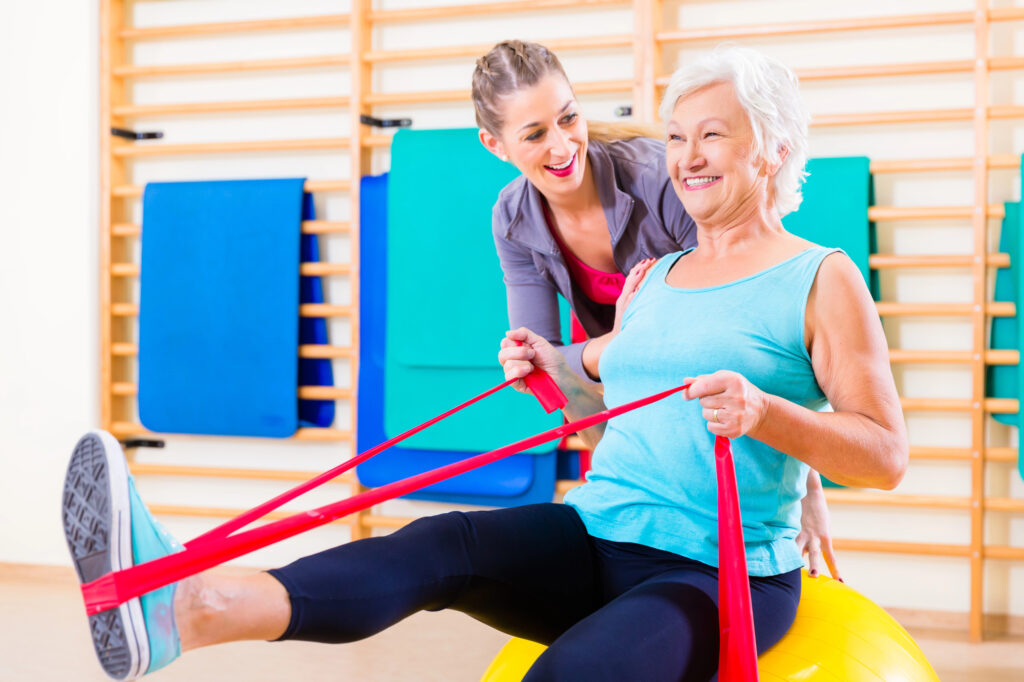
Senior woman with stretch band at fitness

Resistance Band Exercises for Seniors

Now that you’re familiar with the benefits of resistance bands let’s explore some specific exercises you can incorporate into your routine.

Squats

Many seniors find squats to be an effective way to maintain strength and flexibility.

Using a resistance band can enhance this exercise, adding an extra layer of resistance that helps improve muscle tone and stability. You’ll appreciate how these bands make your workouts more challenging yet accessible.

Here are some tips to get you started:

      • Stand on the band: Place your feet shoulder-width apart on the resistance band.

      • Hold ends with hands: Grip the ends of the band with both hands at shoulder level.

      • Squat down slowly: Bend your knees and lower your body as if sitting back into a chair, then slowly rise back up.

    Chest Pull

    Targeting your chest muscles, the chest pull is a fantastic resistance band exercise for seniors looking to enhance upper body strength and improve posture.

    By strengthening these muscles, you’re not just boosting your own health; you’re also better equipped to perform everyday tasks that benefit others, like lifting groceries or playing with grandchildren.

    To do a chest pull, hold your resistance band taut in front of you with both hands.

    Slowly pull the ends outward, keeping your arms parallel to the floor. Focus on squeezing your chest muscles as you pull. Hold the position briefly, then return to the starting point..

    Consistency in this exercise will significantly improve your upper body strength, making it a great addition to your routine.

    Reverse Fly

    To strengthen your upper back and shoulder muscles, try incorporating the reverse fly into your resistance band regimen. This exercise is particularly beneficial for seniors looking to maintain or enhance their mobility and daily functionality.

    It’s simple and requires just your resistance band and a bit of space. Just place a band under your left foot or right foot (whichever you want to start with), with the other foot behind, and then slightly bend your elbows and lift your arms outwards until you reach shoulder height. 

    Hold for a couple of seconds and slowly release, repeating a dozen times.

        • Start Small: Begin with a light resistance band and increase tension as you become more comfortable.

        • Consistency is Key: Aim for two to three sets twice a week to see improvements.

        • Focus on Form: Keep your movements slow and controlled to maximize the benefits and minimize the risk of injury.

      Leg Press

      This exercise is perfect for seniors looking to maintain leg strength and mobility. To start, sit on a chair with your feet flat.

      Place the resistance band under your feet, holding the ends with both hands. Gently push your feet forward until your legs are almost straight, then slowly return to the starting position.

      This controlled movement helps build muscle without straining your joints. 

      Keep the movements smooth and steady, ensuring your safety and maximizing the benefits.

      Chest Press

      While strengthening your lower body is crucial, don’t forget about your upper body. The chest press with a resistance band is a fantastic exercise for seniors, helping to maintain strength and flexibility in the chest and arms.

      Here’s how to do it effectively:

          • Find a Comfortable Seat: Sit on a sturdy chair with your back straight and feet planted on the floor. You can do this standing up as well, but seniors have to be careful and may want to first try it sitting down. 

          • Position the Band: Hold the resistance band with both hands and loop it behind your back, level with your chest.

          • Press Forward: Extend your arms forward, stretching the band away from your body, then slowly return to the starting position.

        This exercise not only boosts your upper body strength but also enhances your ability to serve and care for others.

        Chest Press with Band Attached to Anchor 

        Building on the basic chest press, you can enhance its effectiveness by anchoring the resistance band. This variation is particularly beneficial for seniors, as it provides a stable way to increase muscle strength in the chest and arms without the need for heavy weights.

        To start, securely attach your resistance band to a stable anchor point at chest height. Facing away from the anchor, grasp the handles with both hands. Step forward until the band is slightly stretched.

        With elbows bent and palms facing down, press your arms forward until they’re fully extended, then slowly return to the starting position. This exercise not only helps build upper body strength but also supports your daily functional movements.

        Glute Bridges

        Glute bridges are a fantastic exercise for seniors looking to strengthen their lower body, particularly the glutes and hamstrings.

        By incorporating a resistance band, you enhance the effectiveness and add a level of challenge that’s just right for you.

        You first have to lay down a yoga mat or find a comfortable, flat surface to lie on, protecting your back and ensuring stability.

        Then: Position the Band: Sit on the floor and loop the resistance band around both thighs, just above your knees. The band should be snug but not overly tight.

            • Lie Down: Lie on your back with your knees bent, feet flat on the floor about hip-width apart. Make sure the resistance band remains positioned just above your knees, and check that your feet are positioned correctly under your knees, your arms flat on the sides, and your palms facing down. 

            • Engage Your Core: Before you begin, tighten your abdominal muscles slightly to stabilize your spine.

            • Lift Your Hips: Exhale as you push through your heels and lift your hips off the ground towards the ceiling. Go up until your shoulders, hips, and knees form a straight line. Squeeze your glutes tightly at the top of the movement, making sure not to overextend your back.

            • Press Outward: While at the top of the bridge, press your knees outward against the resistance band. This engages the outer glutes and hip muscles. Then, hold for a few seconds and lower your hips slowly. Avoid arching your back excessively. 

            • Repeat: Perform the desired number of repetitions and sets. Typically, 10-15 repetitions for 2-3 sets is a good start, depending on your fitness level.

          Calf Press

          Many seniors find that adding calf presses to their resistance band workouts greatly enhances lower leg strength and improves balance.

          To perform a calf press, you’ll need a sturdy chair and your resistance band. Start by sitting comfortably with your feet flat on the floor. Loop the resistance band around the ball of one foot, holding the ends with both hands.

          Gently press your foot forward, stretching the band as you extend your toes, then slowly return to the starting position. This movement targets the calves, which are crucial for mobility and stability.

          Repeat the exercise with each leg, aiming for three sets of ten repetitions. Regular practice can significantly bolster your lower legs, aiding your daily activities and reducing fall risk.

          Bicep Curls

          Bicep curls with a resistance band are an effective way to strengthen your arm muscles, essential for daily tasks like lifting groceries or opening jars.

          As a senior, it’s important to keep these muscles robust so you can continue serving your community and loved ones with ease.

          All you need to do is stand up, place a band under a foot with your feet hip-width apart, and hold the handles or just the plain band on each hand with your arms fully extended. 

          Then bend your arms towards the shoulders, and with control and your arms straight, unbend your elbows and go down. 

              • Start Simple: Begin with a light resistance band and gradually increase the tension as your strength improves.

              • Focus on Form: Keep your elbows close to your body and curl the band slowly, focusing on the contraction of your biceps.

              • Frequency Matters: Aim to incorporate bicep curls into your routine twice a week to maintain muscle tone and function.

            Bent Over Row

            Why not strengthen your back and improve posture with the bent-over row using a resistance band? This exercise is fantastic for seniors looking to enhance their daily functional movements.

            First, stand with your feet shoulder-width apart, stepping on the resistance band to secure it under both your feet. Grasp each end of the band, hinging forward at your hips with a slight bend in your knees. Keep your spine neutral as you pull the band towards your waist, elbows sliding past your sides.

            Then, slowly release back to the starting position. Regularly incorporating this workout can help you maintain your independence and serve others more effectively by keeping your back strong and functional.

            Lateral Raise

            This exercise is perfect for seniors looking to maintain an active lifestyle. 

                • Start with your feet: Stand on the resistance band with feet shoulder-width apart.

                • Grip and lift: Hold the ends of the band, palms facing in. Raise your arms to the sides until they’re parallel with the floor, then smoothly lower them back. It will look almost as if you’re trying to fly. 

                • Keep your pace: Perform this move slowly and with control to maximize benefits and reduce the risk of injury.

              Join Live 2 B Healthy for Certified Senior Training Classes with Resistance Bands and More 

              Joining Live 2 B Healthy offers you access to certified resistance band classes along with a variety of other tailored fitness programs.

              These classes are specifically designed to meet the unique needs of seniors, ensuring that you can safely enjoy the benefits of resistance band workouts and many other programs to keep you healthy and active. By participating, you’ll not only enhance your physical strength and flexibility but also contribute positively to your community by staying active and healthy.

              Live 2 B Healthy‘s certified instructors are dedicated to helping you achieve your fitness goals in a supportive and encouraging environment.

              They understand the challenges you might face and are there to guide you every step of the way.

              Don’t miss the chance to improve your well-being while connecting with others who share your dedication to health.

              • « Go to Previous Page
              • Page 1
              • Page 2
              • Page 3

              Proud to be partnered with

              Footer

              • Facebook
              • Instagram
              • LinkedIn
              • YouTube
              Website
              • About Us
              • Blog
              • Careers
              • Press
              • Corporate Contact
              • Home
              Participants
              • Locations
              Franchise
              • Own a Franchise

              © Live2BHealthy © 2023–2026. All rights reserved

              • Privacy Policy
              • Terms of Use

              Get In Touch

              Use this form for all general inquires. We look forward to connecting with YOU!

              "*" indicates required fields

              This field is for validation purposes and should be left unchanged.
              Texting Consent*
              https://live2bhealthy.com/privacy-policy/
              Address*