• Skip to primary navigation
  • Skip to main content
  • Skip to footer
Live 2 B Healthy Senior Fitness

Live 2 B Healthy Senior Fitness

  • About Us
  • Our Fitness Programs
  • Healthy Aging Benefits
  • Franchise Opportunities
  • Locations
  • Contact
  • Careers
  • Press
  • Blog
  • Privacy Policy
  • Terms of Use
  • Cookies

Cory Czepa

How The Right Senior Fitness Classes Can Increase Your Senior Community’s Length Of Stay

September 23, 2024 by Cory Czepa

You’ve likely noticed that the overall satisfaction and longevity of residents in your senior community hinge on more than just comfort and care. It’s about actively enhancing their quality of life. This is why senior communities should always consider the crucial role of tailored senior fitness classes.

These aren’t just regular exercises; they’re a gateway to improved health, sharper mental acuity, and more vibrant social interactions. But how exactly do these classes translate to longer stays within your community?

Let’s explore the direct impact of a well-structured senior community fitness program and uncover the subtle yet powerful ways it can make your community a place where seniors aren’t just living but thriving.

Why Seniors Themselves Need Fitness Classes

As adults age and our bodies become slower, less coordinated, lighter, and stiffer, staying active is crucial to maintaining health and independence.

Engaging in regular physical activity through fitness classes helps them keep their muscle mass optimal, their bone density healthy, and their heart rate fit. However, the benefits of exercise and senior fitness programs go beyond physical fitness, as it’s a gateway to enriching their quality of life.

Physical activity programs have also been shown to improve their mental health and emotional health in important ways, from fighting depression and anxiety to turning it into a social activity that introduces them to new people at a late stage in life. This improved mood will also help them resist or even manage other health conditions that come with age. 

It’s not just about adding years to their lives but adding life to their years. By prioritizing their physical health, they are setting a foundation for a more active and fulfilling life.

The Numerous Benefits of Exercise Classes for Seniors

Community-based programs meant to enhance physical activity for seniors aren’t just about improving their physical health or managing chronic diseases but also saving their lives. Most comprehensive fitness programs are part of a broader and holistic undertaking in senior living communities to reduce the risk of falls, prevent heart disease, and enhance their quality of life in every way possible.

Here are just some of the ways exercise classes impact the life of a senior:

They Improve Overall Health

The more evident one. Boosting a senior’s overall health is one of the most significant benefits of joining a senior fitness class. Regular exercise tailored to their abilities can restore their daily functioning and vitality.

Engaging in structured exercises helps maintain and improve critical bodily functions, enhancing cardiovascular health, strengthening muscles, managing several chronic conditions like arthritis and diabetes, and boosting mental wellness. 

This holistic improvement in their health can dramatically enhance their quality of life, enabling them to enjoy more activities and engage more fully with their community. 

Reduces Risk of Falls

Introducing senior fitness classes into your community’s routine significantly reduces the risk of falls among seniors. By improving physical health through targeted exercises, seniors not only boost their muscle strength but also enhance their flexibility and balance.

This proactive approach ensures that seniors are less likely to encounter falls, which are a leading cause of injury in their age group. Encouraging participation in these classes demonstrates your commitment to their well-being, fostering a safer environment that supports their independence.

Improves Emotional Health

Nearly every senior experiences some level of stress, depression, or anxiety, but regular participation in fitness classes can significantly mitigate these issues. Engaging in structured physical activities not only boosts physical health but greatly enhances mental health.

As participants work out, they release endorphins, which are natural mood lifters, reducing feelings of sadness or anxiety. Moreover, the social aspect of these classes combats loneliness and promotes a sense of community and support among seniors; in addition to promoting a healthy lifestyle.

This is particularly beneficial for those managing chronic conditions that might isolate them or contribute to their stress levels. By consistently attending these fitness classes, seniors can enjoy a more positive outlook and improved overall well-being, making each day brighter and more fulfilling.
Ill senior woman at home, closeup

Prevents Heart Disease

Cardiovascular disease remains a leading cause of death among seniors, but engaging in regular fitness classes can significantly reduce this risk.

Fitness classes, especially aerobic exercises, help strengthen the heart, improve circulation, and lower blood pressure, all of which are crucial in preventing heart disease and promoting active living instead of just surviving in their late years. Additionally, improvements in physical and emotional health also mean reduced health care costs in active older adults.

Improved Cognitive Function

Regular exercise not only strengthens the physical aspects of health but also sharpens your mind. When they integrate fitness classes into their daily activity, seniors can significantly boost their own cognitive function.

Routine exercise classes and other aspects of a senior fitness program engage the brain in unique ways, keeping it active and alert. By encouraging seniors to participate in regular physical activities, you’re directly contributing to fighting their cognitive decline.

This improved cognitive function can manifest as better problem-solving skills, enhanced memory, and quicker thinking. It’s about creating a social environment where they can thrive intellectually as well as physically.

Consider how incorporating structured fitness regimes can transform not just the body but also the mind, making each day richer and more fulfilling. Find out more psychological benefits here.

Better Sleep

Many seniors find that participating in fitness classes significantly improves their sleep quality. Regular physical activity can help you fall asleep faster, sleep more deeply, and awaken less often throughout the night.

This enhancement in sleep quality is vital as it directly impacts overall health. Over time, better sleep can reduce the risk of developing certain diseases and disorders associated with aging and also help against cognitive decline.

The benefits are profound; consistently good sleep helps maintain hormonal balance, manage stress levels, and repair the body. It’s a cornerstone for your overall well-being.

Gives Seniors Social Engagement

While improved sleep enhances your overall health, engaging in fitness classes also offers vital social interaction.

These sessions aren’t just about strengthening muscles; they’re also fantastic opportunities to connect with peers, reducing the risk of falls and loneliness by fostering a supportive community.

Here are some key benefits to their social lives: 


      • Shared Goals: Working towards common fitness objectives creates camaraderie.

      • Regular Schedules: Consistent class times help build routines and friendships.

      • Group Activities: Encourages teamwork and mutual support.

      • New Friendships: Classes provide a platform to meet peers.

      • Social Events: Often paired with social gatherings, enhancing engagement.

      • Communication Skills: Regular interaction boosts conversational abilities.

      • Celebrations of Progress: Acknowledging each other’s achievements boosts morale and togetherness.

    Incorporating these elements significantly enhances the lives of seniors through meaningful social engagement. You’re offering much more than a fitness routine; you’re opening doors to a vibrant, supportive community.

    Enhanced Self-Esteem, Improved Body Image, and Confidence

    As seniors participate in physical exercises, they’ll notice a significant boost in their self-esteem and body image, leading to greater overall confidence.

    Achieving fitness goals, no matter how small, can have a profound impact on how they view themselves. Each step they take towards these goals isn’t just a physical improvement; it’s a building block in reconstructing how they feel about their capabilities and appearance after age starts taking a toll on their bodies. 

    Such positive changes in self-perception not only enhance their quality of life but also encourage a deeper commitment to their overall health and well-being, motivating them to turn away from sedentary lives.

    Increased Energy and Motivation

    Regular participation in fitness classes in senior living communities can significantly boost their energy levels and motivation. As they engage in these tailored exercises, you’ll find their days filled with more vigor and a renewed zest for life.

    A key to healthy aging is staying motivated to keep from falling into a sedentary life full of physical inactivity. When you feel energized, you’re more likely to participate in activities, connect with others, and embrace a positive outlook on life.

    These classes are designed to meet your unique needs, ensuring that each session leaves you feeling invigorated and capable.

    Why Exercise Programs Give Senior Communities an Edge

    Senior communities that integrate exercise programs consistently see a distinct advantage in attracting and retaining residents.

    Here’s why these programs are so beneficial:


        • Enhanced Social Interaction: Residents often bond over shared fitness experiences. Group fitness classes foster social interaction, reducing isolation and loneliness—a major concern among older adults.

        • Solidarity with Others at the Center: The opportunity to connect with peers also builds a sense of community and camaraderie, which encourages seniors to keep returning to the center.

        • Improved Health Outcomes: Regular physical activity reduces the risk of many chronic conditions.

        • Increased Independence: Stronger seniors have better mobility and can manage daily activities more easily.

        • Positive Community Image: A commitment to health can significantly boost your community’s reputation. As seniors build friendships through these classes, they are more likely to feel a sense of belonging, strengthening their ties to the community center.

        • Appeal to Families: Loved ones are more likely to choose your community, knowing that health and wellness are prioritized.

      By offering such wellness programs, senior centers also position themselves as holistic health hubs, increasing their appeal and fostering loyalty among members. These centers become a go-to resource for both physical and emotional well-being, boosting their reputation and enhancing client retention.

      Investing in senior fitness classes really gives your community an edge.

      Strategies for Motivating Seniors into Taking Fitness Classes

      Senior fitness programs don’t become popular or stay popular without some effort. Despite the variety of benefits we’ve enlisted here about community-based exercise programs, from fitting chronic diseases to stopping cognitive decline, keeping the rate of exercise adherence constant or increasing can be a challenge at any age.

      To get seniors excited about joining fitness classes at a senior living community, we’ve compiled several recommendations and tips. 

      Monitor and Praise their Progress

      Monitoring progress and offering praise is key to keeping seniors engaged and motivated in their fitness journeys.

      As you work with seniors in your community, remember that recognizing their achievements, no matter how small, can significantly boost their morale and commitment.

      Here are some effective ways to monitor and praise their progress:


          • Set Clear Milestones: Establish achievable goals for seniors to aim for.

          • Regular Feedback: Provide consistent, positive feedback on their performance.

          • Celebration Sessions: Hold regular sessions to celebrate milestones.

          • Personalized Notes: Send personalized notes commending individual efforts.

          • Visual Progress Charts: Use charts to visually display their progress, making it easy and satisfying for them to see how far they’ve come.

        Implementing these strategies won’t only uplift their spirits but also solidify their loyalty to your fitness program.

        Make it an Opportunity for Socializing

        Fitness classes at your local senior center offer more than just physical health benefits; they’re a golden opportunity for socializing.

        Consider organizing classes that require partners or small groups, which naturally fosters interaction. You can also set up social events after classes, like coffee hours or group discussions, to give everyone a chance to connect further.

        When you encourage seniors to participate, you’re not just helping them stay active; you’re also opening doors for them to make new friends and strengthen existing relationships. This sense of community can be a powerful motivator.

        These social connections can be just as vital as physical exercise, keeping spirits high and encouraging regular attendance.

        Activities Have to be Enjoyable

        Ensuring activities are enjoyable is crucial for motivating seniors to engage in fitness classes. When you’re planning these sessions, remember that if seniors look forward to the activities, they’re more likely to participate consistently and benefit fully.

        Here are some tips to make fitness classes more enjoyable:


            • Vary the routine: Keep things fresh by introducing new exercises and games.

            • Play their favorite music: Tailor playlists to their preferences to boost energy levels.

            • Incorporate humor: Lighten the mood with jokes or fun anecdotes.

            • Invite guest instructors: Surprise them with special guests to keep the excitement alive.

          Integrate Exercises with Daily Routines

          To seamlessly integrate fitness into daily living, start by incorporating simple exercises into regular routines. Suggest that seniors perform gentle stretches while watching TV or strengthen their legs by sitting and standing a few times during a commercial break.

          Encourage them to walk while discussing the day’s menu or to balance on one foot while waiting for the kettle to boil. It’s all about making it easy and accessible.

          You’ll find that by weaving exercises into everyday activities, residents feel less intimidated and more inclined to participate. It won’t seem like a chore; instead, it becomes a natural part of their daily life.

          This approach not only boosts physical wellness but also enhances their enthusiasm for a more active lifestyle, keeping them engaged and happy in your community.
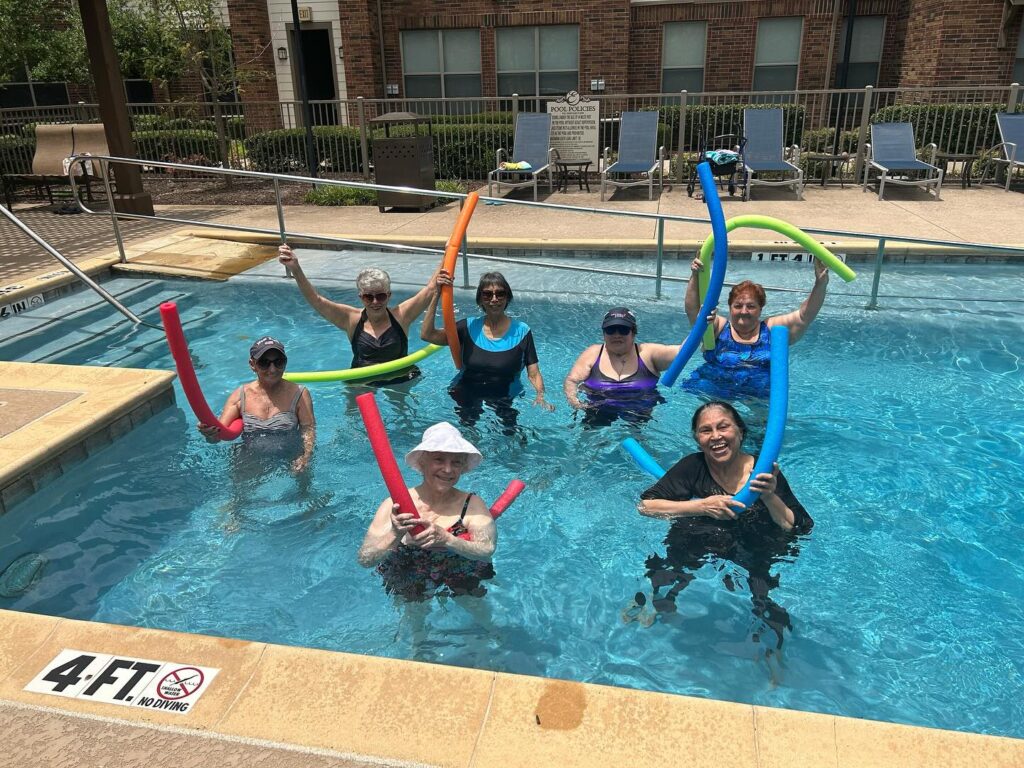
          What Senior Fitness Programs Might Include

          Senior fitness programs at community centers offer a wide range of classes that cater to different fitness levels, helping older people maintain physical and mental well-being. 

          A typical community or group-based exercise program will offer variations of the following fitness classes or exercises: 

          Yoga or Chair Yoga

          Chair yoga is a popular flexibility exercise for seniors that allows participants to perform yoga poses while seated or using a chair for support. This makes it especially accessible for individuals with mobility issues or those who find traditional yoga too strenuous. Chair yoga focuses on improving flexibility, balance, and posture while providing a calming and stress-relieving environment.

          Resistance Band Training

          Resistance band training is another excellent option for seniors, offering a low-impact way to build strength and endurance in major muscle groups. Resistance bands are lightweight and adjustable, allowing users to customize their workouts to match their fitness levels. These exercises improve muscle tone, flexibility, and balance while reducing the risk of injury.

          Tai Chi

          Tai Chi is a slow, meditative martial art known for its fluid, gentle movements. It is particularly favored by elders to improve balance, coordination, and mental clarity. The practice promotes relaxation and is effective in reducing the risk of falls, making it a valuable part of senior fitness programs.

          Aquatic Fitness

          Aquatic fitness classes, such as water aerobics, take advantage of the natural resistance and buoyancy provided by water. An exercise session in the water is especially beneficial for seniors with medical conditions that lead to joint pain, like arthritis, as the water reduces the strain on joints while still providing a solid cardiovascular workout and even improving bone health. Aquatic classes improve muscle strength, endurance, and flexibility in a low-impact setting.

          Balance and Stability Exercises

          Balance and stability exercises are crucial for seniors, as they focus on improving coordination and preventing falls. Classes might include simple exercises like leg lifts, step-ups, or balance board work to strengthen core muscles and improve overall stability.

          Stretching and Flexibility Classes

          Stretching and flexibility classes emphasize joint mobility through gentle, focused stretches. These classes help reduce stiffness, improve range of motion, and promote overall comfort, making daily activities easier for the elderly. Additionally, these classes often incorporate breathing techniques to enhance relaxation.

          Live 2 B Healthy’s Fitness Programs Gives You Longer Stays

          At Live 2 B Healthy, we understand that maintaining your health as you age isn’t just a necessity; it’s a pathway to enjoying life to its fullest.

          Our fitness and well-being programs are designed to make every senior want to come back, time and again. Here’s why:


              • Tailored Workouts: Each session is customized to fit your physical capabilities and goals.

              • Community Spirit: Build friendships and a sense of belonging through group activities.

              • Professional Guidance: Certified trainers who specialize in senior fitness.

              • Varied Activities: From yoga to strength training, your days will never be dull.

              • Health Benefits: Improved mobility, better sleep, and increased energy levels.

            You’ll not only feel great but also truly enjoy every moment you spend with us. Contact us about bringing our senior community fitness programs to your senior community or if you’re interested in joining our classes at a community near you.
            Adaptive Fitness: Exercise Modifications for Seniors with Mobility Issues

            September 23, 2024 by Cory Czepa

            As our loved ones age, maintaining an active lifestyle becomes more critical than ever, yet mobility issues can make traditional exercise routines feel daunting or even impossible.

            With an aging population increasingly seeking to improve their quality of life, adaptive fitness has become a growing focus. The right modifications can empower seniors to engage in physical activity safely, boosting not just their physical health but also their mental well-being. 

            If you or someone you know is facing mobility challenges, it’s essential to know that there are effective ways to stay fit without pushing the body beyond its limits.

            Today, let’s go over some exercise modifications tailored specifically for seniors with mobility issues, providing inspiration and guidance for a healthier, more active life.

            Why Seniors Need a Modified Exercise Program

            Aging catches up with all of us sooner than later, although sometimes it takes time for us to notice it. We also might take a long time to consider alternatives to how we typically move and train. 

            No matter the age, the benefits of physical exercise are plentiful; from improvements in physical health and energy levels to improvements in mental and cognitive health to even preventing chronic diseases, heart attacks, falling, and high blood pressure, every form of exercise is valuable, especially as we get older. 

            First, let’s see what exactly some of the effects of aging on our bodies are, how it impacts our physical health, and how we do regular exercises.

            Senior breathing heavily after training physical activity

            Decreased Muscle Mass and Strength

            With age, people naturally lose muscle mass and strength, a condition known as sarcopenia. This makes it harder for seniors to perform exercises that were once easy, especially those requiring significant strength. Therefore, fitness professionals will focus on developing routines that can help seniors build and maintain muscle while reducing the risk of injury.

            Reduced Bone Density

            Aging leads to a loss of bone density, increasing the risk of fractures and conditions like osteoporosis. High-impact exercises or those that place excessive strain on the bones may not be safe. Modified, low-impact exercises help seniors strengthen bones without causing damage.

            Joint Issues and Arthritis

            Many older adults develop arthritis or experience general joint stiffness, making certain exercises painful or difficult. Go for activities that are gentler on the joints—such as swimming, cycling, or chair exercises—allow seniors to remain active without exacerbating joint pain.

            Balance and Coordination Decline

            As people age, they may experience a decline in balance and coordination, increasing the risk of falls during exercise. Modifications to balance exercises, like using support bars, chairs, or balancing aids, help seniors maintain stability and avoid injury.

            Cardiovascular Changes

            Older adults often have reduced cardiovascular capacity, meaning they may tire more quickly or struggle with high-intensity activities. Nonetheless, they are still required to keep their cardiovascular system active, so the solution would be to shorten the duration and intensity or incorporate rest intervals necessary to ensure cardiovascular exercises remain safe and effective.

            Flexibility Loss

            The aging process can cause muscles and connective tissues to lose elasticity, reducing flexibility and increasing the risk of strains. Stretching exercises, yoga, and other flexibility routines may need to be modified to accommodate the reduced range of motion while still promoting mobility.

            Chronic Health Conditions

            Many seniors live with chronic health conditions such as diabetes, hypertension, or cardiovascular disease, which may limit the types of exercise they can safely perform. Modified routines that cater to individual health conditions can help manage these ailments while keeping the senior active.

            Slower Recovery Times

            As the body ages, it takes longer to recover from physical exertion or injury. The intensity or frequency of workouts can be reduced, allowing for adequate recovery time while still encouraging regular physical activity.

            Vision or Hearing Impairments

            Sensory impairments like reduced vision or hearing loss can affect a senior’s ability to follow exercise routines or navigate certain environments safely. Modifications that focus on clear, easily understandable instructions and a safe exercise environment are crucial.

            Cognitive Decline

            Seniors may also experience cognitive decline, which can impact their ability to remember or understand routines. For this, the answer can be to simplify movements, provide clear instructions, and focus on repetition, which can help seniors stay engaged and safe.

            Respiratory System Changes

            Aging can lead to a decrease in lung capacity, making it harder for seniors to engage in high-intensity or endurance-based exercises. Aerobic exercises, modified breathing techniques, less strenuous cardiovascular activities, and paced workouts help accommodate respiratory limitations.

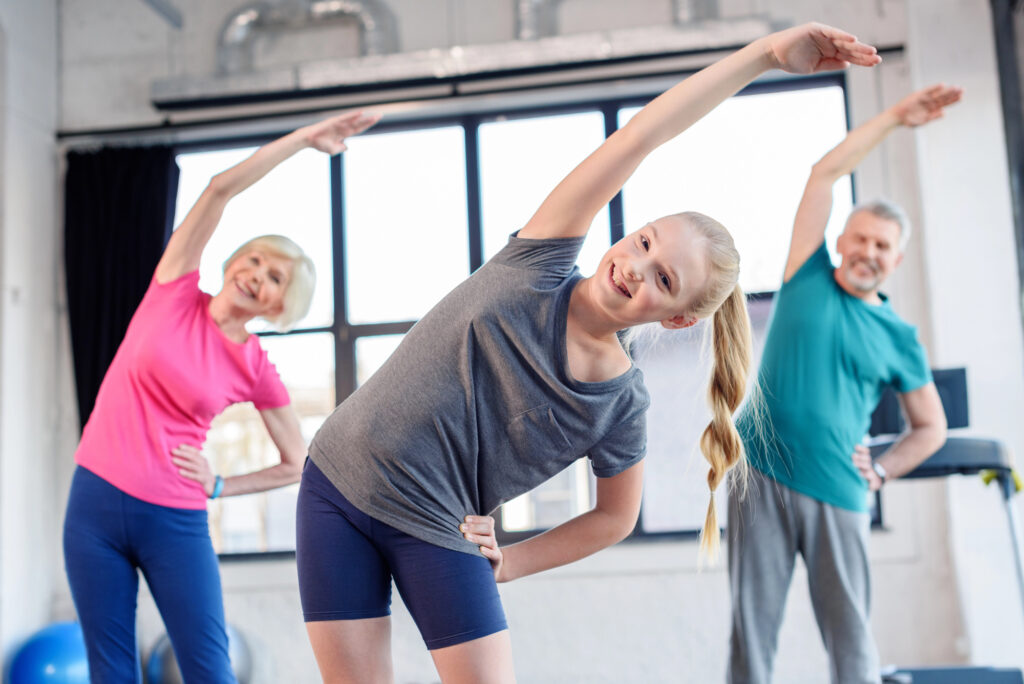
            Seniors exercising with the youth

            Top Basic Modified Exercise for Seniors and Tips

            As we’ve established now, when we age and as the population as a whole age, the importance of tailored fitness programs becomes increasingly apparent, necessitating a discussion on the best practices for integrating resistance bands, chair exercises, and aquatic workouts into daily routines. 

            These modifications not only help maintain muscle strength and cardiovascular health but also improve balance and reduce the risk of falls.

            Here are some of the best exercises or general tips for seniors or their healthcare providers looking for new ways to help seniors under their care: 

            Resistance Bands for Strength Training

            Many seniors find resistance bands to be an invaluable tool for strength training, offering a safe and scalable option for maintaining muscle mass and enhancing overall fitness.

            These bands provide gentle resistance or as much resistance as their own strength can manage, making them ideal for those with mobility issues. By incorporating resistance band strength exercises into their exercise plans, seniors can improve flexibility, balance, and strength without the high impact of traditional weights.

            Exercises such as band pulls, chest presses, and leg stretches can be modified to suit individual capabilities, ensuring a comprehensive workout that respects the body’s limitations. We’ve actually covered resistance band exercises in a previous blog post.

            This method not only aids physical health but also boosts confidence and independence, key components in the quality of life for seniors. More on this here.

            Light Weights

            Building on the concept of adding resistance to workouts, light weights present another excellent option for seniors seeking to enhance their exercise routine with muscle-strengthening activities. Incorporating light weights into moderate exercises can markedly improve muscular strength and overall health without overburdening the joints.

            For seniors, maintaining or improving muscle tone is crucial not only for mobility but also for managing chronic conditions and enhancing metabolic health.

            When integrating light weights into a fitness plan, it’s essential to prioritize proper form to prevent injuries. Starting with very low weights, such as one or two pounds, can help ensure that exercises are performed safely.

            Gradually increasing the weight as strength improves can continue to provide health benefits while keeping the exercise regimen enjoyable and sustainable.

            Chair Squats

            Chair squats stand out as a fundamental modified exercise for seniors, offering a safe and effective way to strengthen the lower body and improve balance. A strong squat position is one of the healthiest for the human body, despite it being mostly avoided in many Western cultures.

            To strengthen it, seniors can use a chair as a safety tool, allowing the individual to squat to a seated position and then stand up, minimizing the risk of falls and strain. 

            It is crucial to ensure the chair is sturdy and placed against a wall for added stability. As seniors engage in this movement, they work various major muscle groups, including the thighs, hips, and buttocks, which are essential for daily activities and maintaining mobility. Make sure to keep your feet flat and sturdy, just like you would in a standing position, at least as much as possible. 

            Regular practice of chair squats can enhance muscular endurance, prevent atrophy, and support overall body health. Chair exercises, in general, are a practical starting point for seniors looking to maintain healthy activity levels in their daily lives.

            Wall Push-ups

            Wall push-ups are an excellent modified exercise for seniors seeking to enhance upper body strength without the strain of traditional floor push-ups. This exercise targets key muscles, including the chest, shoulders, and triceps, promoting muscular endurance and flexibility.

            To perform, your starting position is just standing up at arm’s length from a wall. Place your palms on the wall at shoulder height and width. Bend your elbows to bring your body towards the wall, then push back to the starting position.

            Regular practice can significantly improve muscle tone and joint health, thus enhancing overall quality of life. By allocating time to this simple yet effective activity, seniors can maintain physical health and continue to enjoy an active, fulfilling lifestyle.

            Core Exercises like Leg Lifts and Bicycle Lifts

            From the upper body, let’s shift focus to the core, which any fitness professional will tell you is equally important for seniors to maintain balance and overall physical fitness.

            Core exercises, like leg lifts and bicycle lifts, are pivotal for enhancing stability and reducing the risk of falls. Engaging in these activities helps improve abdominal and lower back strength, which are crucial for everyday movements.

            A physical therapist can tailor these exercises to fit individual mobility levels, ensuring safety and maximizing benefits. For instance, leg lifts can be performed lying flat with slight knee bends to reduce strain. 

            Similarly, modified bicycle lifts, executed slowly and with support, can provide the necessary stimulation without overwhelming the abdominal muscles. These adaptations make core strengthening both achievable and beneficial for seniors.

            Modified Jumping Jacks

            Often overlooked, modified jumping jacks are an excellent, low-impact workout that seniors can incorporate into their fitness routines to enhance cardiovascular health and improve flexibility.

            A modified jumping jack minimizes the risk of joint stress while still promoting an active lifestyle and being an excellent coordination exercise.

            To perform a modified jumping jack, seniors can start by standing with feet flat together and then step one foot out to the side while raising their arms overhead.

            They then step back to the starting position and repeat on the other side. Incorporating this activity into an exercise program offers a balance of safety and efficacy, ensuring that seniors engage in beneficial activities without exposing themselves to unnecessary risks.

            Such modifications make essential exercises accessible and enjoyable.

            Water Aerobics or Aquatic Exercises

            Water aerobics or aquatic exercises frequently rank among the most beneficial and enjoyable forms of physical activity for seniors.

            These exercises uniquely minimize stress on joints, making them ideal for those with mobility issues. By buoyantly supporting the body in various positions, water aerobics reduces the risk of injury. It eases pain, which is particularly advantageous for individuals managing arthritis or other joint-related diseases.

            Seniors can engage in sessions ranging from gentle movements to more vigorous activities, adjusted to suit their comfort and health levels. Over weeks, regular participation can significantly enhance cardiovascular health, increase muscular strength, and improve flexibility.

            The fitness professionals in charge of these programs should ensure exercises are adaptable, prioritizing the safety and enjoyment of each participant.

            Walking

            Walking can be easily adapted to suit individual mobility levels, making it an ideal choice for seniors seeking to enhance their cardiovascular health, improve muscle tone, and boost mood.

            To facilitate this, walking aids such as canes or walkers can be used for additional support.

            Furthermore, engaging in short, frequent walks in a safe environment not only promotes physical health but also provides opportunities for social interaction, which is vital for mental well-being.

            It is important that these walks are conducted in well-lit, even-terrain areas to prevent falls and ensure safety at all times.

            Remember to Go Slow

            Embracing a gradual approach to physical activity is crucial for seniors, particularly when beginning new workout routines. Implementing slow, deliberate movements not only enhances safety but also builds the participant’s confidence in their physical capabilities.

            Start with light, low-impact exercises such as seated stretches or simple chair yoga poses that improve flexibility and blood circulation without straining the body. Gradually introduce more dynamic movements like slow marching in place or gentle leg lifts, always paying attention to the body’s response.

            Encourage regular pauses and emphasize the importance of hydration and listening to one’s body to prevent overexertion. It’s vital for caregivers and fitness instructors to create a supportive environment that prioritizes well-being and gradual progress over rapid results.

            The Exercises Seniors Should Avoid

            While many exercises can be beneficial for seniors, certain activities should be approached with caution or avoided altogether to prevent injury.

            • High-impact exercises: Running, jumping, or any activity that involves rapid, forceful movements can be particularly harsh on aging joints, increasing the risk of fractures or other injuries.
            • Complex movements: Similarly, exercises that require complex coordination or balance, like certain dance moves or advanced yoga poses, should be modified or avoided to reduce the risk of falls.
            • No Weightlifting: At least, not with heavy weights and certain routines, like deadlifts, bench presses, and leg presses. Weightlifting should also be approached with care, as it may strain the heart and joints.
            • No Crunches: Avoid also abdominal crunches. Not only are they not as effective as people think when it comes to abdominal muscles, but they can actually hurt your back. Much preferable to strengthen the core through leg lifts, for example.

            It is crucial to consult with healthcare providers to tailor a safe, effective exercise program that respects physical limitations and promotes overall well-being.

            Live 2 B Healthy Offers the Best Adaptive Routines for Seniors

            Adaptive fitness provides seniors with mobility issues a pathway to enhance physical health through carefully modified exercises. Utilizing tools such as resistance bands and engaging in activities like chair squats and water aerobics helps improve strength, flexibility, and cardiovascular health.

            However, it is crucial that these exercises are implemented gradually and under professional guidance to ensure safety and effectiveness, which is where senior community centers like Live 2 B Healthy come along. Our programs, under the supervision of certified trainers and physical therapists, avoid the risk of injury while also providing numerous other benefits to the seniors we service, which include mental health care and other aspects of physical health.

            Find the nearest Live 2 B Healthy senior community and start expanding your range of motion, strengthening your body, and improving your heart health.  

            Improving Mental Health in Senior Communities with Regular Exercise

            September 20, 2024 by Cory Czepa

            As we age, the challenges of maintaining mental well-being can often be amplified. From loneliness and social isolation to cognitive decline, seniors face unique hurdles that can affect their overall quality of life. Yet, as studies increasingly reveal, one of the most effective tools for combating these issues may not be found in a doctor’s office but rather in a gym or community center.

            Have you ever noticed how vibrant, lively conversations seem to flourish in communities where seniors are actively engaged?

            Exercise has demonstrated remarkable benefits, not just for physical health but also for emotional and cognitive vitality.

            For senior communities looking to improve mental health, establishing a routine that incorporates regular exercise could be a game changer. This approach not only fosters physical strength but also encourages social interactions, boosts mood, and enhances mental clarity. If you’re part of a community dedicated to supporting our older generations, let’s explore the transformative power of regular exercise and its mental health benefits in senior communities.

            Why Improving Mental Health in Seniors is Crucial

            As the global population ages, the mental health of seniors emerges as a critical aspect of community health care. Addressing this issue is pivotal not only for improving their quality of life but also for alleviating the burdens on healthcare systems and families.

            Physical activity is recognized as a significant factor in enhancing mental health among all adults, not just the elderly, by promoting a sense of purpose and accomplishment through an active lifestyle. 

            The Physical Activity Guidelines for Americans, the U.S. Department of Health and Human Resources notes how research proves that just 2 and a half hours a week of moderate-intensity aerobic exercise in adults can have a beneficial impact on both their physical and mental well-being. 

            But it’s also essential because maintaining mental health in seniors directly impacts their physical health, their ability to remain independent, and their overall well-being.

            As caregivers and community members, fostering environments that encourage physical activities can lead to profound, life changing benefits in the mental resilience and happiness of our aging population, thus enriching their later years.

            The Psychological Benefits of Exercise for Seniors

            Exercise stands as a cornerstone for enhancing mental health among seniors, offering significant psychological benefits, from reducing the risk of depression to lowering stress levels; its positive effects on the mental health of seniors are almost instantly noticeable after increasing the levels of activity per week, if even slightly.

            Here are just some of the many benefits to the mental health of seniors that regular physical activity can bring: 

            1. Reduced Risk of Depression and Anxiety

            Regular physical activity significantly lowers the incidence of depression and anxiety among seniors, providing a substantial psychological benefit.

            Engaging in regular exercise fosters a sense of well-being, promotes emotional resilience, and triggers the release of endorphins, often referred to as feel-good hormones. These biochemical changes are crucial in combating the feelings of loneliness and isolation that many seniors experience.

            A study from the first year of the COVID-19 pandemic, for example, showed how many seniors were relieved of their symptoms of depression thanks to higher activity levels in their daily routines. Even moderate exercise was enough to result in improved mood.

            Moreover, the structure of routine exercise programs can impart a sense of purpose and community, further enhancing mental health.

            2. Improved Cognitive Function

            Another one of the greatest mental benefits of exercise for older adults is improved cognitive function. Numerous studies have demonstrated that engaging in physical activity can markedly enhance cognitive function in seniors.

            An effective exercise program, particularly one integrating strength exercises, serves not only to bolster physical health but also sharpens mental acuity. Through such structured activity, seniors can experience improvements in memory, attention, and problem-solving skills.

            One systemic review from Australia found studies that showed how fitness activities lowered or slowed the occurrence of chronic diseases like dementia or cognitive decline in patients with Alzheimer’s disease, for example.

            For caregivers and community leaders, incorporating structured and tailored exercise routines daily is a compassionate strategy to support the cognitive health of our elders, ensuring they maintain not only physical vigor but also mental acuity.

            This approach underlines the profound impact of physical health on mental well-being.

            3. Better Sleep

            While physical activity is known to sharpen cognitive abilities in seniors, it also plays a significant role in enhancing sleep quality. Engaging in regular exercise sessions helps regulate the sleep-wake cycle, essentially training the body to recognize the appropriate times for rest.

            Better sleep dramatically improves psychological well-being. With improved slumber, seniors often experience a reduction in stress and anxiety levels, contributing to overall mental health.

            Furthermore, the time spent participating in these activities promotes relaxation and fatigue, which are critical for a good night’s sleep. Thus, integrating physical exercise into daily routines can be pivotal in ensuring that seniors not only live longer but also sleep better.

            4. Enhanced Self-Esteem, Improved Body Image, and Confidence

            It might be one of the better-known mental health effects of exercise, but it’s worth mentioning. As they incorporate more vigorous activities into their daily routines, seniors often experience enhanced self-esteem. The physical achievements, whether lifting a heavier weight or completing a new exercise, foster a profound sense of accomplishment.

            This, in turn, positively impacts their body image and overall confidence. Such improvements compared to a sedentary lifestyle are crucial in counteracting age-related insecurities and promoting a more vibrant, engaged lifestyle.

            5. Reduced Stress Levels

            Building on the psychological uplift from enhanced self-esteem and body image, regular physical activity also plays a vital role in reducing stress levels among seniors.

            When seniors engage in movement, especially aerobic exercise, it stimulates various brain chemicals that may leave them feeling happier and more relaxed. This type of exercise involves the rhythmic use of large muscles. It significantly contributes to stress relief by increasing the production of endorphins, the brain’s feel-good neurotransmitters, as mentioned before when talking about how exercise helps with anxiety and depression symptoms.

            Additionally, the repetitive motions involved in activities such as walking, swimming, or yoga can have a meditative effect on the mind, helping to distract from daily worries and reducing tension in both the muscles and the mind, fostering a calming effect and enhancing overall well-being.

            6. Increased Social Interaction

            How often do we consider the social benefits of exercise for seniors? Regular physical activity, often guided by a skilled physical therapist, significantly enhances socializing opportunities for the elderly.

            Participating in group exercises or walking clubs helps to forge new friendships and strengthen existing ones, creating a sense of community and belonging. These interactions are crucial as they can lead to a reduction in feelings of loneliness and isolation, which are common issues in senior communities.

            Moreover, socializing while exercising can divert their minds from the symptoms of various diseases, offering not only physical relief but also emotional support.

            Thus, exercise serves as a dual tool, enhancing both physical health and social well-being, fostering a healthier, more connected senior community.

            7. Increased Energy and Motivation

            Regular exercise is well-known for its ability to boost energy levels and motivation among seniors, contributing significantly to their psychological well-being. Engaging in physical activities like walking or gentle stretches helps maintain muscle strength and flexibility, which in turn enhances endurance and vitality.

            These activities can also aid in weight management, reducing the risk of obesity-related health issues. Importantly, the psychological uplift from regular exercise is profound. Increased energy levels often lead seniors to participate more actively in both physical and social activities, further enriching their quality of life.

            Moreover, the sense of achievement and autonomy gained through maintaining an exercise regimen fosters greater motivation to continue engaging in daily activities, sustaining their mental and physical health.

            How Much Exercise is Needed to Improve Mental Health in Seniors?

            Research suggests that moderate physical activity, tailored to individual abilities, can significantly improve psychological well-being.

            For most seniors, engaging in at least 150 minutes (two and a half hours) of moderate aerobic activity per week, such as walking or swimming, is recommended. This can be broken down into manageable sessions, where even short 10-minute increments focusing on gentle movements that involve the foot and knee can be beneficial.

            The National Heart Foundation of Australia also settles for about 30 minutes of exercise a day, although moderate. It can be just regular physical activity that is not too intense, just consistent regular activity that gives seniors the needed cardiovascular exercise to see its benefits.

            Strength training twice a week is also advised to maintain muscle health and joint function. Consistency over weeks is crucial as it fosters not only physical endurance but also mental resilience, helping to combat depression and anxiety while boosting overall mood.

            Other Benefits of Exercise Programs in Senior Communities

            Exercise programs in senior communities offer more than just mental health benefits. 

            Reduces Risk of Falls

            Among the numerous advantages of structured exercise programs for seniors, one critical benefit is the reduced risk of falls. Regular physical activity strengthens muscles and improves balance, crucial in maintaining stable positions and movements. 

            As seniors engage in tailored exercises, their ability to control and stabilize their body increases, significantly diminishing the likelihood of accidental slips or trips. In fact, many senior centers specifically tailor their fitness classes as fall prevention courses as well.

            This preventive approach not only ensures their physical safety but also fosters a sense of independence and confidence among elderly individuals.

            Prevents Heart Disease and Improves Overall Health

            Engaging in exercise helps maintain and improve cardiovascular fitness, reducing the risk of hypertension, stroke, and myocardial infarction. Furthermore, physical activity helps regulate weight, strengthen muscles, and enhance mobility and flexibility, crucial aspects for maintaining independence among seniors.

            Importantly, regular exercise also aids in better sleep patterns and stress reduction, contributing to an improved quality of life, heart health, and blood pressure

            Gives Seniors Social Engagement

            Physical activity in senior communities offers more than just health benefits; it serves as a vital platform for social engagement. Engaging in group exercises like yoga, tai chi, or walking clubs not only improves physical health but also fosters connections among residents.

            These activities provide a sense of community and belonging, crucial elements for mental well-being. Seniors have the opportunity to interact, share experiences, and support each other, which combats feelings of isolation and loneliness.

            Furthermore, organized group settings facilitate friendships that might not otherwise form, enriching their social lives. The psychological uplift from such social interactions is invaluable, enhancing mood and overall mental health in profound ways that extend beyond the physical benefits of the exercise itself.

            Live 2 B Healthy Senior Communities Take Mental and Physical Health Seriously

            Live 2 B Healthy Senior Communities champion both mental and physical well-being by implementing certified exercise plans tailored specifically for seniors.

            These programs are designed by expert fitness professionals who understand the unique needs of the elderly population. By focusing on enhancing flexibility, strength, and cardiovascular health, these exercises not only improve physical fitness but also contribute significantly to mental health.

            Regular physical activity in these settings reduces the risk of depression, helps manage stress, and boosts overall mood through the release of endorphins.

            Moreover, the structured group format encourages social interaction, which is vital in combating loneliness and isolation among seniors.

            Live 2 B Healthy’s commitment to holistic health care promotes a vibrant, engaged, and healthier community life. Contact us if you want to partner or search for a nearby location to sign up. 

            Embrace the Season of Change with Health and Wellness

            September 4, 2024 by Cory Czepa

            As the warm days of summer transition into cooler days, it’s the perfect time to focus on your health and well-being. In this month’s newsletter, we’re diving into the benefits of seasonal produce, sharing a delicious and healthy recipe, and offering tips on winding down and staying active as the seasons change.
             
            butternut squash for a healthy diet


            Seasonal Produce for September


            One of the joys of September is the abundance of fresh, seasonal produce. Incorporating these into your diet can boost your health, support local farmers, and bring vibrant flavors to your meals. Some seasonal favorites include:

            Apples: Packed with fiber and antioxidants, apples are great for heart health and digestion. Enjoy them fresh, baked, or in a warm apple crisp.

            Pumpkins: Not just for decoration, pumpkins are rich in vitamins A and C, supporting your immune system. Try roasting pumpkin cubes with a drizzle of olive oil for a nutritious side dish.
             
            Butternut Squash: This versatile squash is full of fiber, potassium, and vitamin A, making it excellent for maintaining healthy blood pressure and vision.
             
            man and woman smelling fresh vegetables


            Winding Down: Tips for Seniors to Relax and Recharge


            As the days get shorter, it’s important to take time to relax and recharge. Winding down doesn’t just mean getting ready for bed; it’s about creating moments of calm throughout the day. Here are a few tips to help you relax:
             
            Gentle Stretching: Incorporating gentle stretches into your daily routine can help relieve tension and improve flexibility.  Consider starting your day with a simple stretching routine to wake up your muscles.
             
            Mindful Breathing: Practicing deep, mindful breathing can reduce stress and promote a sense of calm. Try taking a few deep breaths, focusing on the rise and fall of your chest, whenever you need a moment of
            peace.

            Create a Cozy Environment: As the weather cools, making your home environment cozy and inviting can enhance relaxation. Soft blankets, warm lighting, and a good book can make your evenings more enjoyable.
             
            woman performing breathing exercises

            Stay Active: The Importance of Light Exercise for Seniors

             
            Maintaining an active lifestyle is crucial for seniors, even as the seasons change. Regular exercise supports your heart health, strengthens your muscles, and improves your mood. Here are some light exercises you can do at home:
             
            Chair Yoga: Chair yoga is an excellent way to stay flexible and strong without putting too much strain on your joints. Simple poses like
            seated forward bends and gentle twists can be done from the comfort of your chair.
             
            Walking: If the weather permits, a brisk walk outside is a great way to keep your heart healthy. Even a short walk around your neighborhood can make a big difference.

            Strength Training with Light Weights: Using light dumbbells or resistance bands can help maintain muscle mass and bone density.

            Focus on exercises like bicep curls, shoulder presses, and leg lifts. Remember, it’s important to listen to your body and choose exercises that feel good for you. Staying active will help you enjoy all the wonderful moments that September brings. September is a month of transition and renewal.
             
            By embracing seasonal produce, taking time to relax, and staying active with light exercise, you can enhance your health and well-being as we move into the cooler months. Whether you’re enjoying a warm bowl of roasted butternut squash soup or taking a mindful walk in the crisp fall air, these small steps can make a big difference in how you feel.


            How an Effective Senior Community Fall Prevention Program can Boost your Bottom Line

            August 30, 2024 by Cory Czepa

            Falls are the leading cause of injury and death among seniors, often resulting in costly hospitalizations, increased insurance premiums, and a negative reputation for communities that fail to prioritize resident safety. As our population ages, the importance of health and safety in senior living environments becomes increasingly critical.

            If you have never considered how the safety of your residents could influence the financial health of your senior community, the time to do so is now. 

            That’s because in a competitive market, the stakes are high: ensuring that your community is known for its commitment to well-being can set you apart from others.

            Implementing a comprehensive senior community fall prevention program not only promotes the health and quality of life for residents but also fosters a more sustainable financial future for senior communities.

            From reducing healthcare costs to enhancing occupancy rates, the benefits extend well beyond basic safety measures. In this article, we will explore how a strong fall prevention strategy can contribute positively to your community’s financial success, making it a wise investment in both wellness and revenue.

            Smiling nurse assisting senior man to get up from bed

            Why Preventing Falls is Important

            As we age, the risk for falls rises, and maintaining our balance and stability becomes increasingly important. Falls are a leading cause of injury among seniors, often leading to a loss of independence and serious health issues.

            Falls are a significant health hazard for older adults, often leading to a cascade of physical and emotional challenges. Among the most common consequences for seniors from falls are: 

                • Bone Fractures: Seniors are particularly susceptible to breaking bones in older adult falls due to decreased bone density. Commonly affected areas include the hips, wrists, and ankles, which can lead to severe pain and disability, often requiring surgeries or extensive physical therapy. Fall prevention exercises focus on improving muscle and bone health to prevent the worst effects of falls.

                • Head Injuries: Falls can cause serious head injuries, such as concussions or even more severe traumatic brain injuries. These injuries can impair cognitive functions, affecting memory, reasoning, and even personality, and can have lasting impacts on a senior’s health and lifestyle.

                • Fear of Falling Again: Once a senior has experienced a fall, there is often a lingering anxiety about falling again. This fear can lead to reduced activity levels and more social isolation, as they may avoid walking or engaging in physical activities that they perceive as risky. This reduction in activity can, paradoxically, increase the risk of falling by leading to weaker muscles and less balance.

                • Risk to Independent Lives: Injuries from falls can make it difficult for seniors to perform daily activities and tasks independently. This loss of self-sufficiency can affect their quality of life. It may necessitate the need for home modifications, in-home care, or even a transition to an assisted living or nursing home environment.

              These consequences highlight the importance of fall prevention strategies and interventions from healthcare professionals to help maintain the health and independence of seniors.

              The good news? Falls can be prevented, and that’s where fall prevention programs come into play.

              What is a Fall Prevention Program?

              A fall prevention program is a comprehensive approach designed to help seniors reduce their risk of falling. These programs focus on improving physical fitness, making homes safer, managing health conditions, and educating seniors on fall risks and prevention strategies. It is a public health issue and should be given priority as such.

              You’ll hear a lot of the term “evidence-based fall prevention programs”, which just refers to those that are based on studies and guidelines from medical and health institutions that study fall prevention programs. 

              The Centers for Disease Control and Prevention (CDC), for example, has a checklist for home fall prevention and encourages the checklist to be included in all fall prevention programs.

              Elderly ladies doing exercises 

              Key Components of Falls Prevention

              While evidence-based fall prevention programs will vary between senior health care providers or senior centers, most will have several or all of the following key components, from simple exercises to protocols, health education, habits to be taught, and even upgrades and prevention interventions at your home, assisted living facility, or community living center. All are focused on reducing the risk of falls as much as possible.

                1. Exercise and Physical Activity: Staying active is one of the best ways to prevent falls. These programs typically include:

                • Balance Training: Exercises that enhance stability, such as Tai Chi or balance-specific drills.
                • Strength Training: Activities to build muscle strength, especially in the legs, like squats or resistance band exercises.
                • Flexibility and Mobility Exercises: Stretching to improve flexibility and joint movement.
                • Endurance Activities: Regular cardiovascular exercises like walking or swimming to boost overall fitness.

                2. Home Safety Modifications: Making your daily living space safer is crucial in reducing the risk of falls. This can involve:

                • Removing Potential Fall Hazards: Eliminating risk factors like tripping dangers like loose rugs and clutter.
                • Improving Lighting: Ensuring areas like stairways are well-lit. 
                • Installing Safety Devices: Adding grab bars in bathrooms, non-slip mats, and sturdy handrails on stairs.
                •  

                3. Health Management: Your health plays a significant role in fall prevention:

                • Medication Review: Check with your doctor to ensure your medications aren’t causing dizziness or balance issues.
                • Vision and Hearing Checks: Regular exams to ensure your vision and hearing are sharp.
                • Footwear: Choosing supportive, non-slip shoes to enhance stability.
                •  

                4. Education and Awareness: Understanding the risks and learning how to prevent falls are key:

                • Fall Risk Education: Learning safe ways to move around your home and strategies for walking safely.
                • Emergency Preparedness: Knowing how to get up after a fall and having a plan in case of an emergency, such as keeping a phone nearby.
                •  

                5. Community Support: Staying connected with others can also help:

                • Social Engagement: Participating in community programs or group exercises to stay active and socially connected.
                • Regular Health Screenings: Attending health check-ups that can catch fall risks early.

                Some examples of fall prevention programs are those from Living 2 B Healthy and other gentle exercise programs that include strength and balance exercises like Yoga and Tai Chi. 

                Take the Next Step

                Falls prevention programs are a proactive way to maintain your independence and health. Whether through group classes that focus solely on your physical health or more comprehensive evidence-based programs that include home modifications or regular check-ups, there are many steps you can take to reduce your risk. By staying informed and active, you can continue to enjoy life with confidence and peace of mind.

                Benefits of a Senior Community Falls Prevention Program

                Falls prevention programs offer significant benefits to senior living centers and health centers, impacting both the residents’ well-being and the facility’s overall operations. Here are some of the key advantages:

                1. Enhanced Resident Safety

                  • Reduced Incidence of Falls: The primary benefit is a tangible reduction in the number of falls among residents, leading to fewer injuries, hospitalizations, and associated complications. Several studies and systematic reviews of research have shown a marked improvement in seniors’ health at home and in their living facilities after the programs were implemented. 

                  • Improved Health Outcomes: By minimizing falls, residents and senior clients experience better overall health, less pain, and a reduced risk of secondary health concerns, fall-related injuries, and issues like fractures, head injuries, emergency department visits, and long-term disability.

                2. Improved Quality of Life for Seniors

                  • Increased Confidence and Independence: With the support of falls prevention programs, residents often feel more confident in their ability to move around safely, which can enhance their sense of independence and quality of life.

                  • Better Mental Health: Engaging in physical activity and social interactions through these programs can reduce anxiety, depression, and feelings of isolation among seniors.

                3. Positive Reputation and Competitive Advantage

                  • Attractiveness to Prospective Residents: Facilities that implement comprehensive falls prevention interventions and programs are seen as safer and more proactive, making them more attractive to potential residents and their families.

                  • Enhanced Reputation: A commitment to resident safety and well-being strengthens the center’s reputation within the community, potentially leading to higher occupancy rates and positive word-of-mouth referrals.

                4. Cost Savings and Operational Efficiency

                  • Reduced Healthcare Costs: By preventing falls, senior living centers can significantly lower healthcare costs related to emergency care, hospitalization, and rehabilitation.

                  • Decreased Staff Burden: Fewer fall-related incidents mean that staff can focus more on proactive care and less on emergency response, improving overall operational efficiency.

                5. Regulatory Compliance and Risk Management

                  • Meeting Safety Standards: Implementing falls prevention programs helps senior living centers comply with safety regulations and guidelines from health departments, reducing the risk of fines or penalties.

                  • Lower Liability Risk: By proactively addressing a resident’s fall risk, centers can decrease the likelihood of lawsuits or liability claims related to resident injuries.

                6. Strengthened Community and Resident Engagement

                  • Increased Social Interaction: Falls prevention programs often include group activities and exercises, fostering a sense of community among residents and encouraging socialization.

                  • Family Peace of Mind: Knowing that their loved ones are in a facility that prioritizes safety and actively works to prevent falls gives families greater peace of mind.

                7. Long-Term Resident Retention

                  • Extended Length of Stay: Residents who feel safe and are less likely to suffer from falls are more likely to stay longer in the facility, contributing to better resident retention rates.

                8. Staff Satisfaction and Training

                  • Empowered Staff: These programs often include training for staff on how to prevent falls and handle fall-related incidents, leading to a more confident and capable workforce.

                  • Lower Staff Turnover: When staff feel equipped to provide high-quality care and work in a safe environment, job satisfaction increases, potentially leading to lower turnover rates.

                Implementing falls prevention programs in senior living and health centers not only protects residents but also enhances the overall operation and reputation of the facility and senior healthcare providers. It’s a proactive investment in safety, health, and community well-being.

                At Living 2 B Healthy, Falls Prevention and More is a Top Priority

                Implementing a robust fall prevention program is not just a matter of enhancing safety protocols; it’s a strategic investment in the longevity and viability of any senior center or health facility.

                By significantly reducing the incidences of falls, centers not only safeguard their residents’ health but also improve their operational efficiency and financial health. Reduced medical costs, lower insurance premiums, and enhanced community trust translate into a healthier bottom line and a stronger reputation.

                For those interested in a senior center that embodies these principles, consider Living 2 B Healthy. At Living 2 B Healthy, we are dedicated to providing a safe, engaging, and vibrant environment where seniors can thrive without fear of falls.

                Our comprehensive senior community fall prevention program is a testament to our commitment to each resident’s health and our pursuit of excellence in senior care.

                So contact us to learn how an evidence-based fall prevention program will benefit both your seniors and the community center they work out in every day.

                Beginner’s Tips for Resistance Band Workouts for Seniors

                August 30, 2024 by Cory Czepa

                As we age, maintaining physical activity becomes increasingly important for overall health and well-being. However, many seniors shy away from traditional weightlifting due to concerns about injury or intimidation from heavy gym equipment.

                Thankfully, resistance bands offer a safe and effective alternative that’s perfect for building muscle, boosting balance, and improving coordination—all from the comfort of home, no gym membership needed.

                Integrating resistance band workouts into your fitness regimen can seem daunting at first, but with a few quick tips, you can confidently embark on this low-impact journey to better health.

                Whether you’re a complete beginner or looking to expand your existing routine, these straightforward guidelines will help you maximize your workouts while minimizing the risk of injury. Let’s explore the essential tips that will empower you to get started with resistance band workouts for seniors!

                What are Resistance Bands? 

                Resistance bands are versatile, stretchable tools that you can use to enhance your workout. They’re, quite literally, elastic bands that can be used to create resistance when stretched by a person. The person is forced to use their muscles and strength to stretch them in various forms, making them a perfect strength exercise for people who need to develop it the most.

                They’re especially beneficial for you as a senior or if you’re focused on aiding seniors in maintaining their fitness levels safely. These fitness bands come in various strengths, making them an effective workout routine for all fitness levels, and they allow for a range of resistance exercises that can be adjusted according to individual needs.

                You’ll find both bands with handles and without handles. A band without handles might be a bit more difficult for seniors to manipulate, especially those with symptoms of arthritis pain or similar conditions. Still, they’re nonetheless an incredibly accessible and easy form of exercise.

                You can incorporate them into daily exercise programs to improve flexibility, strength, and overall health.

                As you assist others, remember that using resistance bands is about adapting exercise to each person’s capabilities, encouraging gradual progress without strain.

                resistance bands

                The Benefits of Resistance Bands for Working Out

                Resistance bands, or exercise bands, offer you a versatile way to boost your fitness, even as a senior. All you need are your limbs, your body weight, and a will to do them. 

                Here are some of the many benefits of this type of exercise tool: 

                Healthier Joints

                Using resistance bands can significantly enhance joint health, particularly for seniors. 

                The resistance band workout minimizes the strain on joints while still strengthening the muscles around them, offering both protection and an increased range of motion. As you continue to perform these exercises, you’ll notice you can perform daily activities with less discomfort and more ease.

                Regular use of resistance bands helps maintain and even improve joint flexibility and durability. It’s a caring approach to keeping movements fluid and your independence intact, making every day a little easier and much healthier.

                Healthy Body Weight

                These workouts offer a fantastic way to engage in strength training for seniors without the harsh impact on joints but also help build muscle, which is crucial as muscle mass naturally diminishes with age. Building muscle not only enhances your metabolism but also assists in burning more calories, even while at rest.

                The benefits of incorporating resistance band workouts into your routine are significant. They allow for a variety of exercises that target different muscle groups and can also double as cardio exercises, making your workout comprehensive and effective. 

                Embracing exercise bands can lead to sustained weight management and a healthier, more active lifestyle.

                They’re Low Impact

                Why consider resistance band workouts? They’re a low-impact form of exercise, making them a safe choice for you, especially if you’re concerned about injuries.

                Unlike high-impact exercises that can jar your joints and lead to discomfort, resistance bands are simple exercises that provide a smooth, controlled tension that gently strengthens your muscles without unnecessary strain. This means you can maintain your fitness without risking harm to your joints or exacerbating existing conditions.

                Using resistance bands also helps manage the tension exerted on your body. You can adjust the intensity easily, ensuring you don’t overdo it.

                This adaptability makes band exercises ideal for easing into exercise routines, particularly if you’re recovering from an injury or just starting your fitness journey.

                Improve Muscle Strength

                These exercise bands also significantly enhance muscle strength. When you use a resistance band, you’re engaging multiple major muscle groups. 

                Each stretch and pull helps to improve muscle strength, ensuring you’re up to the tasks life throws your way.

                Incorporating resistance band exercises into your routine, you can slowly build strength without the harsh impact of heavier weights. This means you can keep your muscles robust in a safe, gradual manner.

                Regular use of these bands helps maintain strength and reduce the muscle loss that comes with age across different muscle areas, from the arm and core to the leg muscles, preserving your vitality and independence, which is crucial for continuing to help others.

                Affordable Strength Training

                Investing in your health doesn’t have to drain your wallet. Exercises with resistance bands are a fantastic, cost-effective way to strengthen your muscles and increase your overall fitness. You won’t need fancy or expensive exercise equipment that you might get bored with after a few days. 

                It’s an economical workout plan for either seniors or people of any age, with no barrier to entry except your willingness to be healthy. 

                Resistance Training Increases Bone Density

                Building on the economic and adaptable nature of resistance bands, it’s important to note their role in improving bone health, particularly for seniors.

                Resistance training increases bone density, making it a crucial practice as you age. When you perform exercises targeting your shoulders and chest, you’re not only enhancing muscle strength but also fortifying your bones.

                These activities stimulate bone growth, which is vital to prevent fractures and osteoporosis. By integrating resistance bands into your routine, you’ll apply gentle yet effective pressure on these areas, promoting bone health without the strain of heavy weights.

                This method is safe, manageable, and highly beneficial, ensuring you maintain your independence and well-being for years to come.

                Bands are Versatile

                While resistance bands may seem simple, their versatility in workouts is unmatched, especially for seniors. These bands can be easily adapted to suit different fitness levels and help target specific areas of the body.

                You can use them in several positions (as we’ll explain later), like in a squat position, on your shoulder blades, against a wall, standing up, or even in a chair. 

                Improves Balance and Stability

                As you age, maintaining balance and stability becomes crucial, and resistance bands are excellent tools in this regard.

                Engaging in resistance band workouts can significantly enhance your core strength, which is vital for good balance and stability. These workouts gently encourage your muscles to adapt and strengthen, providing you with a firmer base and better overall control of your movements.

                This improvement in muscular strength directly contributes to a decrease in fall risk, which is a common concern for seniors.

                By integrating resistance bands into your exercise routine, you’re not only working towards a more stable and confident stance but also ensuring a safer, more independent lifestyle.

                Senior woman with stretch band at fitness

                Resistance Band Exercises for Seniors

                Now that you’re familiar with the benefits of resistance bands let’s explore some specific exercises you can incorporate into your routine.

                Squats

                Many seniors find squats to be an effective way to maintain strength and flexibility.

                Using a resistance band can enhance this exercise, adding an extra layer of resistance that helps improve muscle tone and stability. You’ll appreciate how these bands make your workouts more challenging yet accessible.

                Here are some tips to get you started:

                    • Stand on the band: Place your feet shoulder-width apart on the resistance band.

                    • Hold ends with hands: Grip the ends of the band with both hands at shoulder level.

                    • Squat down slowly: Bend your knees and lower your body as if sitting back into a chair, then slowly rise back up.

                  Chest Pull

                  Targeting your chest muscles, the chest pull is a fantastic resistance band exercise for seniors looking to enhance upper body strength and improve posture.

                  By strengthening these muscles, you’re not just boosting your own health; you’re also better equipped to perform everyday tasks that benefit others, like lifting groceries or playing with grandchildren.

                  To do a chest pull, hold your resistance band taut in front of you with both hands.

                  Slowly pull the ends outward, keeping your arms parallel to the floor. Focus on squeezing your chest muscles as you pull. Hold the position briefly, then return to the starting point..

                  Consistency in this exercise will significantly improve your upper body strength, making it a great addition to your routine.

                  Reverse Fly

                  To strengthen your upper back and shoulder muscles, try incorporating the reverse fly into your resistance band regimen. This exercise is particularly beneficial for seniors looking to maintain or enhance their mobility and daily functionality.

                  It’s simple and requires just your resistance band and a bit of space. Just place a band under your left foot or right foot (whichever you want to start with), with the other foot behind, and then slightly bend your elbows and lift your arms outwards until you reach shoulder height. 

                  Hold for a couple of seconds and slowly release, repeating a dozen times.

                      • Start Small: Begin with a light resistance band and increase tension as you become more comfortable.

                      • Consistency is Key: Aim for two to three sets twice a week to see improvements.

                      • Focus on Form: Keep your movements slow and controlled to maximize the benefits and minimize the risk of injury.

                    Leg Press

                    This exercise is perfect for seniors looking to maintain leg strength and mobility. To start, sit on a chair with your feet flat.

                    Place the resistance band under your feet, holding the ends with both hands. Gently push your feet forward until your legs are almost straight, then slowly return to the starting position.

                    This controlled movement helps build muscle without straining your joints. 

                    Keep the movements smooth and steady, ensuring your safety and maximizing the benefits.

                    Chest Press

                    While strengthening your lower body is crucial, don’t forget about your upper body. The chest press with a resistance band is a fantastic exercise for seniors, helping to maintain strength and flexibility in the chest and arms.

                    Here’s how to do it effectively:

                        • Find a Comfortable Seat: Sit on a sturdy chair with your back straight and feet planted on the floor. You can do this standing up as well, but seniors have to be careful and may want to first try it sitting down. 

                        • Position the Band: Hold the resistance band with both hands and loop it behind your back, level with your chest.

                        • Press Forward: Extend your arms forward, stretching the band away from your body, then slowly return to the starting position.

                      This exercise not only boosts your upper body strength but also enhances your ability to serve and care for others.

                      Chest Press with Band Attached to Anchor 

                      Building on the basic chest press, you can enhance its effectiveness by anchoring the resistance band. This variation is particularly beneficial for seniors, as it provides a stable way to increase muscle strength in the chest and arms without the need for heavy weights.

                      To start, securely attach your resistance band to a stable anchor point at chest height. Facing away from the anchor, grasp the handles with both hands. Step forward until the band is slightly stretched.

                      With elbows bent and palms facing down, press your arms forward until they’re fully extended, then slowly return to the starting position. This exercise not only helps build upper body strength but also supports your daily functional movements.

                      Glute Bridges

                      Glute bridges are a fantastic exercise for seniors looking to strengthen their lower body, particularly the glutes and hamstrings.

                      By incorporating a resistance band, you enhance the effectiveness and add a level of challenge that’s just right for you.

                      You first have to lay down a yoga mat or find a comfortable, flat surface to lie on, protecting your back and ensuring stability.

                      Then: Position the Band: Sit on the floor and loop the resistance band around both thighs, just above your knees. The band should be snug but not overly tight.

                          • Lie Down: Lie on your back with your knees bent, feet flat on the floor about hip-width apart. Make sure the resistance band remains positioned just above your knees, and check that your feet are positioned correctly under your knees, your arms flat on the sides, and your palms facing down. 

                          • Engage Your Core: Before you begin, tighten your abdominal muscles slightly to stabilize your spine.

                          • Lift Your Hips: Exhale as you push through your heels and lift your hips off the ground towards the ceiling. Go up until your shoulders, hips, and knees form a straight line. Squeeze your glutes tightly at the top of the movement, making sure not to overextend your back.

                          • Press Outward: While at the top of the bridge, press your knees outward against the resistance band. This engages the outer glutes and hip muscles. Then, hold for a few seconds and lower your hips slowly. Avoid arching your back excessively. 

                          • Repeat: Perform the desired number of repetitions and sets. Typically, 10-15 repetitions for 2-3 sets is a good start, depending on your fitness level.

                        Calf Press

                        Many seniors find that adding calf presses to their resistance band workouts greatly enhances lower leg strength and improves balance.

                        To perform a calf press, you’ll need a sturdy chair and your resistance band. Start by sitting comfortably with your feet flat on the floor. Loop the resistance band around the ball of one foot, holding the ends with both hands.

                        Gently press your foot forward, stretching the band as you extend your toes, then slowly return to the starting position. This movement targets the calves, which are crucial for mobility and stability.

                        Repeat the exercise with each leg, aiming for three sets of ten repetitions. Regular practice can significantly bolster your lower legs, aiding your daily activities and reducing fall risk.

                        Bicep Curls

                        Bicep curls with a resistance band are an effective way to strengthen your arm muscles, essential for daily tasks like lifting groceries or opening jars.

                        As a senior, it’s important to keep these muscles robust so you can continue serving your community and loved ones with ease.

                        All you need to do is stand up, place a band under a foot with your feet hip-width apart, and hold the handles or just the plain band on each hand with your arms fully extended. 

                        Then bend your arms towards the shoulders, and with control and your arms straight, unbend your elbows and go down. 

                            • Start Simple: Begin with a light resistance band and gradually increase the tension as your strength improves.

                            • Focus on Form: Keep your elbows close to your body and curl the band slowly, focusing on the contraction of your biceps.

                            • Frequency Matters: Aim to incorporate bicep curls into your routine twice a week to maintain muscle tone and function.

                          Bent Over Row

                          Why not strengthen your back and improve posture with the bent-over row using a resistance band? This exercise is fantastic for seniors looking to enhance their daily functional movements.

                          First, stand with your feet shoulder-width apart, stepping on the resistance band to secure it under both your feet. Grasp each end of the band, hinging forward at your hips with a slight bend in your knees. Keep your spine neutral as you pull the band towards your waist, elbows sliding past your sides.

                          Then, slowly release back to the starting position. Regularly incorporating this workout can help you maintain your independence and serve others more effectively by keeping your back strong and functional.

                          Lateral Raise

                          This exercise is perfect for seniors looking to maintain an active lifestyle. 

                              • Start with your feet: Stand on the resistance band with feet shoulder-width apart.

                              • Grip and lift: Hold the ends of the band, palms facing in. Raise your arms to the sides until they’re parallel with the floor, then smoothly lower them back. It will look almost as if you’re trying to fly. 

                              • Keep your pace: Perform this move slowly and with control to maximize benefits and reduce the risk of injury.

                            Join Live 2 B Healthy for Certified Senior Training Classes with Resistance Bands and More 

                            Joining Live 2 B Healthy offers you access to certified resistance band classes along with a variety of other tailored fitness programs.

                            These classes are specifically designed to meet the unique needs of seniors, ensuring that you can safely enjoy the benefits of resistance band workouts and many other programs to keep you healthy and active. By participating, you’ll not only enhance your physical strength and flexibility but also contribute positively to your community by staying active and healthy.

                            Live 2 B Healthy‘s certified instructors are dedicated to helping you achieve your fitness goals in a supportive and encouraging environment.

                            They understand the challenges you might face and are there to guide you every step of the way.

                            Don’t miss the chance to improve your well-being while connecting with others who share your dedication to health.

                            • « Go to Previous Page
                            • Page 1
                            • Interim pages omitted …
                            • Page 3
                            • Page 4
                            • Page 5
                            • Page 6
                            • Go to Next Page »

                            Proud to be partnered with

                            Footer

                            • Facebook
                            • Instagram
                            • LinkedIn
                            • YouTube
                            Website
                            • About Us
                            • Blog
                            • Careers
                            • Press
                            • Corporate Contact
                            • Home
                            Participants
                            • Locations
                            Franchise
                            • Own a Franchise

                            © Live2BHealthy © 2023–2026. All rights reserved

                            • Privacy Policy
                            • Terms of Use

                            Get In Touch

                            Use this form for all general inquires. We look forward to connecting with YOU!

                            "*" indicates required fields

                            This field is for validation purposes and should be left unchanged.
                            Texting Consent*
                            https://live2bhealthy.com/privacy-policy/
                            Address*